
V. M. Rusalov is the “poet of psychology”
Abstract
Abstract
Abstract: The manuscript briefly highlights the scientific legacy of V.M. Rusalov, who managed to preserve and increase the natural science traditions in psychology established by I.P. Pavlov. Rusalov’s scientific interests covered differential psychophysiology and differential psychology, as well as the development of nomothetic, idiographic, and idiodynamic methods for personality research. Based on the ideas of V.M. Rusalov, his colleague S.I. Dudin creates the social network “I Am Like You”, which allows one to find one’s psychological double based on a brief screening of personality traits.
Сигнал – квалиа – символ: когнитивная иерархия информационных кодов
Суров И.А.*
Университет ИТМО, Санкт-Петербург, Российская Федерация,
ORCID iD: 0000-0001-5690-7507
Аннотация: В рукописи кратко освещено научное наследие В. М. Русалова, который сумел сохранить и приумножить естественнонаучные традиции в психологии, заложенные И. П. Павловым. Спектр научных интересов В.М. Русалова охватывает дифференциальную психофизиологию и дифференциальную психологию; разработку номотетических, идиографических и идиодинамических методов исследования личности. Опираясь на идеи В.М. Русалова, его ученик С.И. Дудин создал социальную сеть «Я как Ты», позволяющую на основе краткого скрининга личностных особенностей найти своего психологического двойника.
Ключевые слова: темперамент, интеллект, личность, индивидуальность, социальная сеть “Я как Ты”
Информация об авторах
Дудин Сергей Иванович, кандидат психологических наук, доцент, Москва, Российская Федерация, metaprocessor@gmail.com
Information about the authors
Sergey. I. Dudin, PhD in psychology, associate professor, Moscow, Russia, e-mail: metaprocessor@gmail.com
Introduction
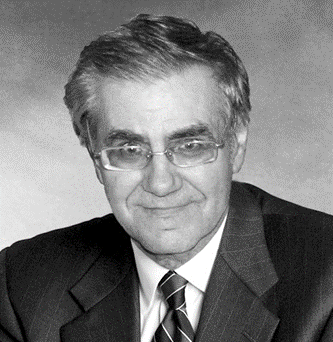
V.M. Rusalov 5.10.1939. – 16.01.2023
Vladimir Mikhailovich Rusalov was an outstanding scientist. He had a diverse range of scientific interests, including differential psychophysiology and differential psychology; psychology of individuality, personality, and subject; psychometrics and psychodiagnostics; biology and behavioral genetics; psychology of temperament, character, intelligence, mental resources, and mental experience of a person.
In studying the mind within the broader framework of the above-mentioned directions, Rusalov preserved and developed the natural science research traditions first established by the founder of the doctrine of higher nervous activity, Nobel Prize laureate I.P. Pavlov, arguably the most renowned Russian scientist in the world. These traditions require that any research and practical activities should be conducted in accordance with objective, strictly scientific methods. This work should be comparable to that carried out by I.P. Pavlov, who spent over a decade developing an operation to induce a fistula in the gastrointestinal tract of a dog.
The research was initially conducted within the differential psychophysiological, or dispositional (biologically oriented) approach, with the objective of studying the biological correlates of individual psychological differences in temperament. Following the traditions established by Pavlov, Rusalov’s experimental and analytical work resulted in the conclusion that temperament is not determined by the humoral, somatic, or nervous system alone, but rather by the general constitution of the human body. This general constitution can be understood as a system of private constitutions, comprising physical and physiological properties that are fixed in the hereditary system of man.
It was demonstrated that individual constitutions hold unequal significance within the broader structure of the organism. For instance, bodily constitution characteristics exhibit a relatively weak correlation with temperament, whereas higher correlations are observed between neurophysiological constitution traits, such as the level of spatial and temporal synchronisation of EEG processes, variability of the evoked potential, and indicators of slow EEG rhythmics, and temperament characteristics, including speed of motor behaviour, plasticity, and mental endurance.
Subsequently, Rusalov established that the strongest correlations with temperamental traits can be identified with specific mental characteristics that are genetically determined (Rusalov, 2012). The position of innate mental characteristics, behavioural programmes, which are part of the structure of the general constitution of the human organism, introduces a fundamental shift in the established understanding of the biological basis of temperament. The solution proposed by V.M. Rusalov represents a significant breakthrough in our understanding of the biological underpinnings of temperament, indicating for the first time that the process of temperament formation is shaped by specifically human biological traits, including innate behavioural programmes.
The reproductive-cultural strategy, as outlined by sociobiologists, represents the most widely recognised innate behavioural programme, an inherent aspect of human biology (Lumsden et. al., 1981; Rushton, 1988; Wilson, 2000). The idea behind this program is that the way we express our innate parental instincts can vary depending on the balance between our reproductive and sociocultural mechanisms of behavior. Some people might devote their entire life to raising children, while others might want to have more children as soon as possible through early marriages or other ways, such as having more sexual relationships. This could mean that they care less about their children after they are born.
Rusalov identified a second innate behavioural programme that is part of human biological characteristics. This programme is known as the growth or ‘gracialisation’ programme, and it was described in the 1930s and 1940s (Malinovsky, 1945; Roginsky, 1937). According to this program, adult humans can be divided into two groups based on their physical and behavioural characteristics. At one end of the spectrum are individuals with thin (graceful) bones and a graceful facial skull. These individuals tend to retain their childhood learning abilities well into adulthood. On the other end of the spectrum are individuals who have thick (robust) bones and a robust facial skull. They tend to develop their learning abilities later in life. At the other end of the spectrum are those whose behaviour is dominated by adult forms, and their bodies and facial skulls exhibit adult features from an early age.
The third programme of innate behaviour was first identified in the 1940s (Bunak, 1940). It is associated with the particular methods by which an individual’s physiological systems for acquiring sustenance and expending energy operate. It is postulated that a distinct scale exists, wherein those with a dominant “assimilative” metabolism are situated at one end, and those with a “dissimilative” metabolism are situated at the other. This implies that some individuals possess a “fat metabolism”, whereby they store energy efficiently and expend it minimally, while others exhibit a “carbohydrate metabolism”, whereby they oxidize energy at a higher rate. This distinction is also evident in their behavioral and physical characteristics.
In his research on neuroandrogenetics, Rusalov discovered that the structure of the general constitution includes programs related to sexual differences between men and women (Ellis, 1986). Currently, 12 innate programs of male sexual behavior have been identified, and these are more pronounced in men. These programs include offensive erotic behavior, feelings of jealousy, and “predatory” behavior related to hunting.
Rusalov combined research from two fields to explore previously unknown ways in which biological factors influence individual psychological traits of temperament. These fields are differential psychophysiology and differential psychology. By using this integrated approach, Rusalov provided a more comprehensive understanding of temperament. He also improved the methods used to assess temperament and creates a more detailed psychological model of temperament (Rusalov & Dudin, 2024). Rusalov first modified the EPI test. In this modified version, extraversion, introversion, and neuroticism were presented as components of a two-dimensional theoretical model of temperament. According to Rusalov, the extraverted type of behavior is characterized by more frequent contacts and a higher level of energy in human interaction with the outside world. On the other hand, the introverted type indicates less energetic capabilities to “capture” the outside world.
The second part of the two-dimensional theoretical model of temperament, as described by Rusalov, is the neuroticism scale. This scale measures emotional stability in the face of a difference between what was intended and what actually happened during an activity. According to Rusalov, having a high level of tolerance for such differences can lead to the development of emotionally stable behaviour patterns. On the other hand, a low level of tolerance can cause emotionally unstable or neurotic traits to emerge.
The concepts of object and social ergonicity are crucial for understanding the optimal level of human tension when interacting with the environment in both the personal and social spheres. Subject and social plasticity measure the ease with which a person can switch between behavioural programs in both personal and social contexts. Subject speed and social speed indicate how quickly a person can execute a given behavioural program in both personal and social settings. Emotional sensitivity in the personal and social spheres reflects the person’s threshold for detecting discrepancies between the result of an action and its intended goal.
Later, the eight-dimensional temperament model was refined, and a new method of standardized self-reporting was created: the Formal Dynamic Personality Questionnaire (FDPQ). In the theoretical model behind the FDPQ, the subject-oriented aspect of behavior, which was primarily represented in the temperament structure questionnaire through psychomotor characteristics, was significantly modified and enhanced with intellectual scales. This approach allowed Rusalov to create a 12-dimensional model of temperament. It includes three types of stability: psychomotor stability, intellectual stability, and communicative stability. It also has three types of flexibility: psychomotor flexibility, intellectual flexibility, and communicative flexibility. Finally, there are three types of emotional sensitivity: psychomotor emotional sensitivity, intellectual emotional sensitivity, and communicative emotional sensitivity.
The questionnaire of formal-dynamic properties of individuality, created by Vladimir Mikhailovich, is unique in the field of psychological research. Unlike the Structure of Temperament Questionnaire, biological-oriented factor methods like the EPI, Eisenkov’s EPQ, or J. Streliau’s PTS, and lexicographic factor questionnaires like R. Kettell’s 16-factor questionnaire, the formal-dynamic properties of individuality questionnaire take a different approach:
- The wording of the items has been significantly improved.
- The questionnaire has four versions, each designed for a specific age group:
- a) the FDPQ for adults aged 17-60, available in Russian and English;
- b) the FDPQ for adolescents aged 11-16.
- c) the FDPQ for parents of younger schoolchildren aged 7-11.
- The formal-dynamic properties of individuality questionnaire for parents of preschoolers aged 3-6.
- It uses a more detailed 4-point grading system, as suggested by R. Likert.
- It has an initial model that is based on theory and has been proven to be effective.
- The model shows high levels of reliability and validity, which means it can be used correctly in different cultural groups.
- This approach allows us not only to identify a person’s most common general ideas or beliefs about his/her own temperament, reflected in his/her individual consciousness, but also to get an idea of the extent to which they are expressed, how stable they are, and how difficult or easy it is to implement them.
Rusalov, in addition to developing an innovative psychological model and method for studying temperament, conducted research in support of his original hypothesis about the two-level structure of intelligence (general abilities) (Rusalov & Dudin, 2024). According to this hypothesis, temperament is a manifestation of biological personality traits, which he calls “first-level attitudes.” These temperament traits influence the development of intelligence along with social factors. In the early and late stages of his research, he used the Temperament Structure Questionnaire (TSQ). There were three versions of the TSQ: for adults aged 17-60, for adolescents aged 11-16, and for parents of primary school children aged 7-11. To measure intelligence, he used instruments commonly used in psychometric studies of abilities: the Wechsler test (available in both child and adult forms), the R. Amthauer test, and the School Test of Mental Development (STDM) by K. M. Gurevich et al. The study showed that the relationship between temperament and psychometric intelligence depends on the age, type of temperament, and level of cognitive development of the subjects. It was found that with age and an increase in the level of cognitive development, general abilities demonstrate distinctive cognitive characteristics that diverge from those associated with temperament.
At the third stage of the study of the relationship between temperament and general abilities, the Formal Dynamic Properties of Individuality Questionnaire was used. At this stage, it was shown that temperament properties perform the function of second-level intellect settings, exerting a noticeable influence on the general index of intelligence postulated by D. Wechsler. Temperament properties characterizing intellectual rigidity, intellectual speed, and intellectual plasticity exert a direct influence on the general index of intelligence postulated by D. Wechsler. On the contrary, intellectual emotional sensitivity exerts the opposite effect.
Rusalov’s study of the temperamental traits of intelligence demonstrated that there is a distinctive fundamental cognitive basis inherent in the structure of an individual’s general abilities, which is shaped by their temperamental traits. The identified primary basis functions as an intermediate link or precursor of intelligence in the broadest sense of the term. It determines the specifics of the systemic unification of all mental resources and the entire mental experience of an individual into a single space of general abilities (intelligence), comprising various private (specific, special) abilities, learnt knowledge, mental skills, and so forth.
Moreover, research suggests that the fundamental concept of general abilities has a similar structure to that of temperament. However, the content of temperament traits differs from the characteristics of the primary basis of intelligence. These differences are caused by the unique mechanisms that form (generalize) these fundamental traits of individuality. Temperament traits are mainly formed according to the logic of the “body” and are influenced by the general biological makeup of a person. On the other hand, the primary basis of intelligence is primarily based on “social” logic, or the logic of the “subject” of socially determined human activity, which is influenced by the tasks that a person is required to perform.
In this context, it was suggested that we introduce new concepts into the terminology of essential characteristics of intelligence. These new concepts would describe four important aspects of intelligence: general intellectual endurance, general intellectual flexibility, general intellectual speed, and general intellectual self-regulation.
General intellectual endurance is regarded as a manifestation of temperamental intellectual ergidity. This property of the primary basis of general abilities was suggested to be described as the need for mental impressions and mental effort.
General intellectual flexibility serves as a manifestation of temperamental intellectual plasticity. This essential aspect of intelligence is demonstrated by the ability to approach and solve cognitive problems in various ways, including new and creative ones.
General intellectual speed refers to how quickly an individual can solve cognitive tasks. It reflects their natural ability to think and solve problems quickly.
General intellectual self-regulation is regarded as an expression of temperamental intellectual emotional sensitivity. This quality is evidenced in the capacity to develop activity programmes that are sensitive to potential execution errors, thereby enabling individuals to address cognitive tasks in an efficacious manner. In this context, the most efficacious programme will be one that allows for the selection of the correct answer with minimal effort. On the other hand, a program that suggests a number of possible answers and then lets you gradually choose the right one through a process of trial and error is less productive.
- M. Rusalov, who is about to turn 80, is a remarkable scientist. He has created groundbreaking research techniques, theoretical frameworks, and made groundbreaking discoveries. One might think that he would be satisfied with his achievements, but Vladimir M. Rusalov is still actively developing new theories and research methods. His solutions represent a significant advancement in psychology. They enable us to move beyond the limitations of traditional approaches, which have become obsolete. These limitations have caused a crisis in psychology, where scientific research and practice have become separate. In psychological counselling, the idiographic approach is more commonly used, while in scientific research, the nomothetic approach is more common.
The current crisis in psychology is largely due to the current methods of standardized self-reporting used in psychometrics [2, 5, 13]. The problem lies in the fact that all differential psychological tests, which are questionnaires developed using nomothetic methodology, are only able to measure typical psychological characteristics and solve research problems based on data from large samples.
The current psychological tests and questionnaires are not suitable for identifying the unique, individual-specific characteristics of a particular person. The process of testing the stability of these tests (retest reliability) shows that repeated questioning (retesting) confirms the stability of the indicators on a specific test or questionnaire. However, this only applies to studies that aim to identify psychological differences between groups such as men and women, individuals of different ages, ethnic groups, and so on. When a single subject is tested repeatedly with an interval between tests and under identical conditions, the results are not always consistent.
This issue arises because in traditional differential psychological research projects based on the nomothetic method, the reference sample serves as the standard for measurement. The characteristics of individuals are evaluated in relation to the established norms for psychological attributes of the reference group. In this approach, the same individual may exhibit a variety of different characteristics depending on the specific reference groups they are compared to. To illustrate, among the Papuans, an individual may be characterized by a tall, slender physique and a handsome appearance. In comparison to other populations, the individual may exhibit a less appealing profile. Therefore, the uniqueness of a particular person is sometimes lost in the comparison with other groups. This is because a person can have multiple identities (different personalities) depending on the group they are compared to.
When it comes to any established methods of self-reporting, the reference group plays a very important role for the person being surveyed. This group is the main source of self-perception for that person. Therefore, during the initial and repeated testing, the person may show a different attitude towards themselves and, consequently, a different assessment of their personality depending on the reference group they identify with at the time of the interview.
These arguments highlight a significant limitation of differential psychological questionnaires. The retest reliability of all standardized self-report methods is significantly reduced by the phenomenon of “social desirability”. This is not just an unfortunate measurement error but an inherent feature of the differential psychological approach. When answering the items of a particular questionnaire, the test taker is compelled to compare themselves with others and adapt their responses accordingly.
For psychologists who work with individuals in real life, the limitations of test-questionnaires or questionnaires based on nomothetic theory are clear. Experienced practitioners are right to believe that existing psychological standardized self-report methods do not measure individual differences or individuality as such. However paradoxical it may sound, these methods measure differences that are typical of a certain age group, type of people, or other factors. Therefore, they employ open-ended questionnaires, in-depth interviews, psychodiagnostic games, and other methods based on the idiographic approach to identify the unique underlying characteristics of individuals.
Prominent psychologists who advocate the idiographic approach to studying the human psyche believe that in the nomothetic model, the uniqueness of individuals is only emphasized, not fully explored [4, 7, 12]. They argue that traditional psychological testing of individual characteristics is not useful because it does not help us understand the distinctive and original qualities of each person.
Nevertheless, the idiographic approach, which is much more widely represented in practical psychology, is not actually employed in strictly scientific psychological research. This is because a superficial, external, metaphorical description of a particular person’s psychological world is, in fact, a subjective, conceptual projection of the psychologist-observer, which cannot be verified by comparing it with the respective conclusions of other specialists.
To overcome the ongoing crisis in modern psychology, which is manifested in the fact that the existing approaches to studying human individuality (both nomothetic and idiographic) do not allow for an objective analysis of the unique psychological world of an individual, V.M. Rusalov has developed a new theory. This theory not only combines the idiographic and nomothetic paradigms at a new level, but also makes it possible to not only understand the inner world of an individual subjectively but also to measure it objectively [9, 10].
The theory he developed is based on the idiographic approach, which emphasizes that each individual is a unique subject for research. However, the new methodology also includes the requirements for experimentation, reliability, and measurement validity, which are typical of the nomothetic approach.
V.M. Rusalov named the theory he created as “idiodynamic.” This theory is based on S. Rosenzweig’s ideas about the unique organization of the human psyche. This organization consists of stable, implicit psychological properties that are not fully understood, seeming naive, and are widely accepted as common knowledge [16]. The breakthrough that allowed Vladimir Mikhailovich to merge the idiographic and nomothetic approaches to research within the idiodynamic theory was the introduction of new methods for identifying patterns, distinctive systems, or rank structures of various characteristics related to individuality.
The methods developed by Vladimir Mikhailovich have the following three key advantages:
1) They enable the overcoming of the limitations of traditional psychological tests and questionnaires.
2) They facilitate a move beyond idiographic, metaphorical descriptions of individuality that are incomparable with the conclusions of other specialists.
3) They provide an objective means of evaluating and measuring a unique and inimitable pattern of properties of a person’s individuality.
The new methods were presented as computer programs and divided into two main categories:
- methods of experimental introspection or implicit self-identification;
- methods based on the use of an open scale.
The methods of experimental introspection enable individuals to independently create a typology of individual personality traits in a hierarchical order. These methods are computer-based and use the well-established technique of pairwise comparisons in psychology [11].
The test participant is asked to think about their personality and identify the trait that stands out the most in them. The pair of personality characteristics is randomly chosen and displayed on the screen. This process continues until the entire list is used up, and each characteristic is compared to all the others. A special computer program then uses the results of these comparisons to create a hierarchical structure called a rank structure. This helps us understand how important each characteristic is for the individual being tested.
In an experiment where participants are asked to compare two things in pairs and do it as quickly and accurately as possible, they may face challenges. They often struggle to justify their choices using only logical arguments. This forces them to examine the deeper layers of their psyche, which helps psychologists understand the underlying structures of the person they are studying. By measuring the reaction time of test participants and setting a time limit for finding the right answer, we can reduce the impact of social desirability on the results of the experiment. The participants focus on analyzing their own inner world and evaluating their own individuality traits without comparing them to those of others. This focus helps to minimize the influence of social desirability on the experiment.
The idiodynamic questionnaire represents a fundamentally distinct test, as it differs from traditional differential psychological tests in a number of parameters. The main difference between this approach and traditional psychological questionnaires is that it allows participants to assess how much they express certain characteristics related to their individuality. This is done without being limited by the traditional rating scales like the three- or five-point options. When they see a statement about a particular trait, participants can indicate whether they currently exhibit that trait to a significant or extreme degree.
It is evident that the open scale differs considerably from the Likert scale, which is based on a binary rating system. Likert (1932). Firstly, when utilising the open scale, the test-taker is permitted to select an additional option, beyond the conventional choices of ‘not expressed’, ‘moderately expressed’ and ‘very expressed’, if they believe that a particular statement accurately reflects a distinctive and strongly-held aspect of their behaviour. Second, the idiodynamic questionnaire differs from traditional differential-psychological tests-questionnaires by the fact that during the search for answers the test taker does not compare himself with others, but determines to what extent the characteristic presented on the computer screen reflects the peculiarities of his individuality. Thirdly, idiodynamic tests-questionnaires differ from all known psychological questionnaires by the fact that they are computer methods in which the time of searching for a suitable answer is fixed. Fourthly, the specificity of open scale methods is determined by the fact that during the survey the investigated characteristics of individuality are presented not in a list, but separately in a random order.
The materials presented above demonstrate that the idiodynamic approach to the study of individuality, developed by Vladimir Mikhailovich, represents a novel and promising solution that aligns with contemporary trends in psychological development. This approach goes beyond the traditional nomothetic framework, which focuses on objective research and phenomena that are repeatable, predictable, and regular. It also considers the unique and complex characteristics that are part of each individual’s nature.
The development of idiodynamic methodology has given rise to innovative ways of understanding the human psyche. One such approach is the Russian (later international) social network called ‘Me like You’, which is being created by the Centre for Complex Innovative Technologies ‘Metaprocessor’. The concept behind ‘Me like You’ is based on the idea that individuals who may not look alike or have a close relationship may still have similar internal psychological characteristics. This idea is similar to the Twin Strangers platform.
The new social network will have significant advantages over existing IT technologies that analyze a person’s behavior based on their online accounts. These popular technologies can only reveal certain aspects of a person’s so-called “personality facade,” such as a limited range of interests and hobbies. As a result, they may lead developers and customers to make assumptions about a person’s consumer preferences that are not always accurate or well-founded.
The idiodynamic methodology, as developed by V.M. Rusalov, is the foundation of the social network ‘Me Like You’. This methodology allows each participant to:
- Discover their own individuality through a unique psychological tool, fostering a deeper understanding of self.
- Find a psychological match or an individual within the network who shares the most similar characteristics.
- Discover a physical (photographic) match in the network.
- Assess the extent of internal (psychological) and external (photographic) resemblance.
- Meet their complete double (an individual who is both externally and internally similar) and continue communication within the ‘Me Like You’ network. For example, they can discuss whether the discovered psychological and photographic similarities also extend to their life or professional paths.
- To identify a genuine friend or romantic partner who shares similar temperament, values, abilities, intelligence, and character;
- To ascertain the optimal style of one’s activities;
- To select a suitable profession;
- To choose a leader who accurately reflects the psychological characteristics of group members;
- To determine the degree of psychological and external similarity with an individual who has achieved the pinnacle of individual development (a renowned scientist, military leader, artist, or politician). The objective is to become intimately acquainted with an individual who has reached the pinnacle of psychological and individual development, to actualize the psychological mechanisms of identification, to accelerate the formation of one’s individuality and to become the architect of one’s own life.
The Institute for the Development of Individuality will store the results of psychological measurements and special analyses of the content of communications within the ‘Me like you’ network on its servers. The data collected on the servers located in Russia and artificial intelligence technologies will facilitate the prompt and real-time development of young people’s creative potential, promotion of their self-determination and professional orientation, replication of the standards of a citizen, a family man and A-class professional, and the study of the processes of socialization of young people.
Despite having reached the age of 80, V.M. Rusalov readily accepted the role of scientific adviser for the project entitled “Me like you”. The project aims to define the psychological meaning of the terms “personality,” “individuality,” and “subject” [10]. Based on his extensive experience in the field, Vladimir Rusalov suggests a two-part classification of individuality, which includes social and biological aspects. This model defines the social substructure of individuality as the personality and the biological substructure as the individual organism, including all biological properties as well as innate behavioural programmes. The interaction between social and biological factors in individuality is primarily mediated by temperament, which can be conceptualised as both the lowest substructure of personality and the highest substructure of human biological organization.
Consequently, V.M. Rusalov suggests that individuality can be understood as a complex system that consists of many interconnected human characteristics at different levels. These characteristics include the individual’s genetics, brain structure, emotions, hormone levels, memory, childhood experiences, temperament, character, and the cultural history of their family. According to Vladimir Rusalov, all these factors are interconnected and form a unique combination that contributes to the development of a particular individual.
According to V.M. Rusalov, the subject is the highest point of individual development. It signifies the ultimate stage of an individual’s journey through life, marking the culmination of the human psyche’s growth. However, the subject is not just the result of this development; it also represents a continuous pursuit of an infinite and therefore unattainable ideal.
Vladimir Rusalov argues that the subject, just like personality and individuality, is a self-organizing and self-developing system. Therefore, from the perspective of the theory of mental development, the subject can be immature or mature. A mature individual acts in the name of society and solves social problems for the sake of the individual. They serve as an ideal in society. On the other hand, an immature individual may harm society and its spiritual values. However, they can also have fully developed personalities, be highly intelligent, emotionally balanced, and able to see themselves objectively. They may also have close relationships with friends and others.
An individual who has attained the level of a mature subject in their development not only becomes the architect of their own life but also contributes to the creativity of others and makes responsible decisions regarding their interactions with the external world and society. At the level of a mature subject, it is not the individual who determines the general direction of human development; rather, it is the subject itself. The subject transcends the boundaries of individuality and personality, which are merely internal instruments or means for actualizing the subject’s life trajectories.
The methods of assessing temperament, which serves as the primary basis for intelligence, character, life values, and special abilities, are being developed under the scientific supervision of V.M. Rusalov. Furthermore, the clarification of the psychological content of the concepts of “personality,” “individuality,” and “subject” is also being addressed [10]. The properties that were previously considered the main characteristics of the psyche were chosen for measurement. These properties define the area where different paths of mental development for a person intersect, as well as the stability of their personality and individuality.
The result of the extensive preparatory work done, that brought closer to the realisation of the idea of creating a social network “Me like you” and the Institute of Individuality Development, were:
1)New idiodynamic methods that allow us to uncover the underlying beliefs and assumptions that individuals have about their own temperament, which is the foundation of their intelligence, character, life values, and special abilities.
2) New methods for creating open scales that allow us to identify structures that reflect scientifically based models of all the meta-characteristics of individuality mentioned above.
3) The first pilot study in psychology on the individuality of a developed subject was based on objective measurement. This study was conducted for the first time.
Finally, we would like to present another groundbreaking project that was made possible thanks to the invaluable contribution of V.M. Rusalov. This project aims to develop a method for recording the inner mental speech of a person in audio form.
In the present day, a significant part of scientific progress can be credited to the field of humanoid technologies. One of the main ways to understand the complexities of the human brain is through the use of electroencephalography (EEG), a method that originated in the middle of the 19th century.
The EEG method, which has undergone only minor and controversial modifications, is still the primary technique used in the US by Ilon Musk as part of his Neuralink startup. This is why the technology of connecting the human brain to a computer system being developed by our foreign colleagues is characterized by high complexity, high cost, and, perhaps, long-term and uncertain prospects.
The long-awaited breakthrough in the development of humanoid technologies may provide a method of audio registration of internal mental speech, designated as ‘Voice’. The concept of this method was initially formulated at the ITC Centre, specifically within the Metaprocessor research programme. The methodology we have devised for the registration of human thoughts is not only original but also represents a novel approach. To date, no other work in the field has provided a straightforward overview of the approach developed at the ITC Centre ‘Metaprocessor’.
The concept in question is based on the well-established idea that the brain is a complex electrochemical organ that generates electromagnetic waves during periods of cognitive activity. However, in these moments, individuals do not perceive the electrical noise themselves, but rather the thoughts that accompany the internal processes of reasoning and remembering.
The search conducted at the ITC ‘Metaprocessor’ Centre facilitated the revelation of the structural configuration through which electromagnetic oscillations are transformed into sound waves, thereby enabling each individual to perceive their own thoughts. Consequently, for the first time in the history of science and practice, it was proven possible to develop a completely new approach to human cognition. This approach is based on the method of audio recording inner mental speech.
It is important to note that the development of a method of perceiving human thoughts will inevitably give rise to a number of moral and ethical questions. In this context, it is important to emphasize the following:
* The proposed method does not violate an individual’s freedom and does not allow an expert to introduce arbitrary elements into the person’s consciousness.
* The individual who participates in the experiment or those representing their interests will be aware of the procedure, as a minor surgical operation is required for its implementation.
The analysis of the potential of the Voice method for recording internal mental speech suggests that the project could make a significant contribution to the development of human-machine systems, robotics, and artificial intelligence. The ‘Voice’ method will generate a lot of public discussion and could potentially revolutionize how humans communicate. As a result, psychology, cybernetics, physiology, medicine, and other related fields will receive a strong boost in development.
The talents of Vladimir Mikhailovich Rusalov, a psychologist, scientist, and futurologist, were especially evident during a relaxed and open conversation. I always looked forward to this special moment, which happened every time, when he turned the dry language of psychology into a poetic science that was elegant and fascinating.
In the evening, we were discussing the future of voice technology, and in the morning, I learned that my master had passed away. On January 16, 2023, Vladimir Mikhailovich Rusalov passed away in Moscow, Russia, at the age of 83.
Comments (0)
Abstract: The manuscript briefly highlights the scientific legacy of V.M. Rusalov, who managed to preserve and increase the natural science traditions in psychology established by I.P. Pavlov. Rusalov’s scientific interests covered differential psychophysiology and differential psychology, as well as the development of nomothetic, idiographic, and idiodynamic methods for personality research. Based on the ideas of V.M. Rusalov, his colleague S.I. Dudin creates the social network “I Am Like You”, which allows one to find one’s psychological double based on a brief screening of personality traits.
Сигнал – квалиа – символ: когнитивная иерархия информационных кодов
Суров И.А.*
Университет ИТМО, Санкт-Петербург, Российская Федерация,
ORCID iD: 0000-0001-5690-7507
Аннотация: В рукописи кратко освещено научное наследие В. М. Русалова, который сумел сохранить и приумножить естественнонаучные традиции в психологии, заложенные И. П. Павловым. Спектр научных интересов В.М. Русалова охватывает дифференциальную психофизиологию и дифференциальную психологию; разработку номотетических, идиографических и идиодинамических методов исследования личности. Опираясь на идеи В.М. Русалова, его ученик С.И. Дудин создал социальную сеть «Я как Ты», позволяющую на основе краткого скрининга личностных особенностей найти своего психологического двойника.
Ключевые слова: темперамент, интеллект, личность, индивидуальность, социальная сеть “Я как Ты”
Информация об авторах
Дудин Сергей Иванович, кандидат психологических наук, доцент, Москва, Российская Федерация, metaprocessor@gmail.com
Information about the authors
Sergey. I. Dudin, PhD in psychology, associate professor, Moscow, Russia, e-mail: metaprocessor@gmail.com
V.M. Rusalov 5.10.1939. – 16.01.2023
Vladimir Mikhailovich Rusalov was an outstanding scientist. He had a diverse range of scientific interests, including differential psychophysiology and differential psychology; psychology of individuality, personality, and subject; psychometrics and psychodiagnostics; biology and behavioral genetics; psychology of temperament, character, intelligence, mental resources, and mental experience of a person.
In studying the mind within the broader framework of the above-mentioned directions, Rusalov preserved and developed the natural science research traditions first established by the founder of the doctrine of higher nervous activity, Nobel Prize laureate I.P. Pavlov, arguably the most renowned Russian scientist in the world. These traditions require that any research and practical activities should be conducted in accordance with objective, strictly scientific methods. This work should be comparable to that carried out by I.P. Pavlov, who spent over a decade developing an operation to induce a fistula in the gastrointestinal tract of a dog.
The research was initially conducted within the differential psychophysiological, or dispositional (biologically oriented) approach, with the objective of studying the biological correlates of individual psychological differences in temperament. Following the traditions established by Pavlov, Rusalov’s experimental and analytical work resulted in the conclusion that temperament is not determined by the humoral, somatic, or nervous system alone, but rather by the general constitution of the human body. This general constitution can be understood as a system of private constitutions, comprising physical and physiological properties that are fixed in the hereditary system of man.
It was demonstrated that individual constitutions hold unequal significance within the broader structure of the organism. For instance, bodily constitution characteristics exhibit a relatively weak correlation with temperament, whereas higher correlations are observed between neurophysiological constitution traits, such as the level of spatial and temporal synchronisation of EEG processes, variability of the evoked potential, and indicators of slow EEG rhythmics, and temperament characteristics, including speed of motor behaviour, plasticity, and mental endurance.
Subsequently, Rusalov established that the strongest correlations with temperamental traits can be identified with specific mental characteristics that are genetically determined (Rusalov, 2012). The position of innate mental characteristics, behavioural programmes, which are part of the structure of the general constitution of the human organism, introduces a fundamental shift in the established understanding of the biological basis of temperament. The solution proposed by V.M. Rusalov represents a significant breakthrough in our understanding of the biological underpinnings of temperament, indicating for the first time that the process of temperament formation is shaped by specifically human biological traits, including innate behavioural programmes.
The reproductive-cultural strategy, as outlined by sociobiologists, represents the most widely recognised innate behavioural programme, an inherent aspect of human biology (Lumsden et. al., 1981; Rushton, 1988; Wilson, 2000). The idea behind this program is that the way we express our innate parental instincts can vary depending on the balance between our reproductive and sociocultural mechanisms of behavior. Some people might devote their entire life to raising children, while others might want to have more children as soon as possible through early marriages or other ways, such as having more sexual relationships. This could mean that they care less about their children after they are born.
Rusalov identified a second innate behavioural programme that is part of human biological characteristics. This programme is known as the growth or ‘gracialisation’ programme, and it was described in the 1930s and 1940s (Malinovsky, 1945; Roginsky, 1937). According to this program, adult humans can be divided into two groups based on their physical and behavioural characteristics. At one end of the spectrum are individuals with thin (graceful) bones and a graceful facial skull. These individuals tend to retain their childhood learning abilities well into adulthood. On the other end of the spectrum are individuals who have thick (robust) bones and a robust facial skull. They tend to develop their learning abilities later in life. At the other end of the spectrum are those whose behaviour is dominated by adult forms, and their bodies and facial skulls exhibit adult features from an early age.
The third programme of innate behaviour was first identified in the 1940s (Bunak, 1940). It is associated with the particular methods by which an individual’s physiological systems for acquiring sustenance and expending energy operate. It is postulated that a distinct scale exists, wherein those with a dominant “assimilative” metabolism are situated at one end, and those with a “dissimilative” metabolism are situated at the other. This implies that some individuals possess a “fat metabolism”, whereby they store energy efficiently and expend it minimally, while others exhibit a “carbohydrate metabolism”, whereby they oxidize energy at a higher rate. This distinction is also evident in their behavioral and physical characteristics.
In his research on neuroandrogenetics, Rusalov discovered that the structure of the general constitution includes programs related to sexual differences between men and women (Ellis, 1986). Currently, 12 innate programs of male sexual behavior have been identified, and these are more pronounced in men. These programs include offensive erotic behavior, feelings of jealousy, and “predatory” behavior related to hunting.
Rusalov combined research from two fields to explore previously unknown ways in which biological factors influence individual psychological traits of temperament. These fields are differential psychophysiology and differential psychology. By using this integrated approach, Rusalov provided a more comprehensive understanding of temperament. He also improved the methods used to assess temperament and creates a more detailed psychological model of temperament (Rusalov & Dudin, 2024). Rusalov first modified the EPI test. In this modified version, extraversion, introversion, and neuroticism were presented as components of a two-dimensional theoretical model of temperament. According to Rusalov, the extraverted type of behavior is characterized by more frequent contacts and a higher level of energy in human interaction with the outside world. On the other hand, the introverted type indicates less energetic capabilities to “capture” the outside world.
The second part of the two-dimensional theoretical model of temperament, as described by Rusalov, is the neuroticism scale. This scale measures emotional stability in the face of a difference between what was intended and what actually happened during an activity. According to Rusalov, having a high level of tolerance for such differences can lead to the development of emotionally stable behaviour patterns. On the other hand, a low level of tolerance can cause emotionally unstable or neurotic traits to emerge.
The concepts of object and social ergonicity are crucial for understanding the optimal level of human tension when interacting with the environment in both the personal and social spheres. Subject and social plasticity measure the ease with which a person can switch between behavioural programs in both personal and social contexts. Subject speed and social speed indicate how quickly a person can execute a given behavioural program in both personal and social settings. Emotional sensitivity in the personal and social spheres reflects the person’s threshold for detecting discrepancies between the result of an action and its intended goal.
Later, the eight-dimensional temperament model was refined, and a new method of standardized self-reporting was created: the Formal Dynamic Personality Questionnaire (FDPQ). In the theoretical model behind the FDPQ, the subject-oriented aspect of behavior, which was primarily represented in the temperament structure questionnaire through psychomotor characteristics, was significantly modified and enhanced with intellectual scales. This approach allowed Rusalov to create a 12-dimensional model of temperament. It includes three types of stability: psychomotor stability, intellectual stability, and communicative stability. It also has three types of flexibility: psychomotor flexibility, intellectual flexibility, and communicative flexibility. Finally, there are three types of emotional sensitivity: psychomotor emotional sensitivity, intellectual emotional sensitivity, and communicative emotional sensitivity.
The questionnaire of formal-dynamic properties of individuality, created by Vladimir Mikhailovich, is unique in the field of psychological research. Unlike the Structure of Temperament Questionnaire, biological-oriented factor methods like the EPI, Eisenkov’s EPQ, or J. Streliau’s PTS, and lexicographic factor questionnaires like R. Kettell’s 16-factor questionnaire, the formal-dynamic properties of individuality questionnaire take a different approach:
- The wording of the items has been significantly improved.
- The questionnaire has four versions, each designed for a specific age group:
- a) the FDPQ for adults aged 17-60, available in Russian and English;
- b) the FDPQ for adolescents aged 11-16.
- c) the FDPQ for parents of younger schoolchildren aged 7-11.
- The formal-dynamic properties of individuality questionnaire for parents of preschoolers aged 3-6.
- It uses a more detailed 4-point grading system, as suggested by R. Likert.
- It has an initial model that is based on theory and has been proven to be effective.
- The model shows high levels of reliability and validity, which means it can be used correctly in different cultural groups.
- This approach allows us not only to identify a person’s most common general ideas or beliefs about his/her own temperament, reflected in his/her individual consciousness, but also to get an idea of the extent to which they are expressed, how stable they are, and how difficult or easy it is to implement them.
Rusalov, in addition to developing an innovative psychological model and method for studying temperament, conducted research in support of his original hypothesis about the two-level structure of intelligence (general abilities) (Rusalov & Dudin, 2024). According to this hypothesis, temperament is a manifestation of biological personality traits, which he calls “first-level attitudes.” These temperament traits influence the development of intelligence along with social factors. In the early and late stages of his research, he used the Temperament Structure Questionnaire (TSQ). There were three versions of the TSQ: for adults aged 17-60, for adolescents aged 11-16, and for parents of primary school children aged 7-11. To measure intelligence, he used instruments commonly used in psychometric studies of abilities: the Wechsler test (available in both child and adult forms), the R. Amthauer test, and the School Test of Mental Development (STDM) by K. M. Gurevich et al. The study showed that the relationship between temperament and psychometric intelligence depends on the age, type of temperament, and level of cognitive development of the subjects. It was found that with age and an increase in the level of cognitive development, general abilities demonstrate distinctive cognitive characteristics that diverge from those associated with temperament.
At the third stage of the study of the relationship between temperament and general abilities, the Formal Dynamic Properties of Individuality Questionnaire was used. At this stage, it was shown that temperament properties perform the function of second-level intellect settings, exerting a noticeable influence on the general index of intelligence postulated by D. Wechsler. Temperament properties characterizing intellectual rigidity, intellectual speed, and intellectual plasticity exert a direct influence on the general index of intelligence postulated by D. Wechsler. On the contrary, intellectual emotional sensitivity exerts the opposite effect.
Rusalov’s study of the temperamental traits of intelligence demonstrated that there is a distinctive fundamental cognitive basis inherent in the structure of an individual’s general abilities, which is shaped by their temperamental traits. The identified primary basis functions as an intermediate link or precursor of intelligence in the broadest sense of the term. It determines the specifics of the systemic unification of all mental resources and the entire mental experience of an individual into a single space of general abilities (intelligence), comprising various private (specific, special) abilities, learnt knowledge, mental skills, and so forth.
Moreover, research suggests that the fundamental concept of general abilities has a similar structure to that of temperament. However, the content of temperament traits differs from the characteristics of the primary basis of intelligence. These differences are caused by the unique mechanisms that form (generalize) these fundamental traits of individuality. Temperament traits are mainly formed according to the logic of the “body” and are influenced by the general biological makeup of a person. On the other hand, the primary basis of intelligence is primarily based on “social” logic, or the logic of the “subject” of socially determined human activity, which is influenced by the tasks that a person is required to perform.
In this context, it was suggested that we introduce new concepts into the terminology of essential characteristics of intelligence. These new concepts would describe four important aspects of intelligence: general intellectual endurance, general intellectual flexibility, general intellectual speed, and general intellectual self-regulation.
General intellectual endurance is regarded as a manifestation of temperamental intellectual ergidity. This property of the primary basis of general abilities was suggested to be described as the need for mental impressions and mental effort.
General intellectual flexibility serves as a manifestation of temperamental intellectual plasticity. This essential aspect of intelligence is demonstrated by the ability to approach and solve cognitive problems in various ways, including new and creative ones.
General intellectual speed refers to how quickly an individual can solve cognitive tasks. It reflects their natural ability to think and solve problems quickly.
General intellectual self-regulation is regarded as an expression of temperamental intellectual emotional sensitivity. This quality is evidenced in the capacity to develop activity programmes that are sensitive to potential execution errors, thereby enabling individuals to address cognitive tasks in an efficacious manner. In this context, the most efficacious programme will be one that allows for the selection of the correct answer with minimal effort. On the other hand, a program that suggests a number of possible answers and then lets you gradually choose the right one through a process of trial and error is less productive.
- M. Rusalov, who is about to turn 80, is a remarkable scientist. He has created groundbreaking research techniques, theoretical frameworks, and made groundbreaking discoveries. One might think that he would be satisfied with his achievements, but Vladimir M. Rusalov is still actively developing new theories and research methods. His solutions represent a significant advancement in psychology. They enable us to move beyond the limitations of traditional approaches, which have become obsolete. These limitations have caused a crisis in psychology, where scientific research and practice have become separate. In psychological counselling, the idiographic approach is more commonly used, while in scientific research, the nomothetic approach is more common.
The current crisis in psychology is largely due to the current methods of standardized self-reporting used in psychometrics [2, 5, 13]. The problem lies in the fact that all differential psychological tests, which are questionnaires developed using nomothetic methodology, are only able to measure typical psychological characteristics and solve research problems based on data from large samples.
The current psychological tests and questionnaires are not suitable for identifying the unique, individual-specific characteristics of a particular person. The process of testing the stability of these tests (retest reliability) shows that repeated questioning (retesting) confirms the stability of the indicators on a specific test or questionnaire. However, this only applies to studies that aim to identify psychological differences between groups such as men and women, individuals of different ages, ethnic groups, and so on. When a single subject is tested repeatedly with an interval between tests and under identical conditions, the results are not always consistent.
This issue arises because in traditional differential psychological research projects based on the nomothetic method, the reference sample serves as the standard for measurement. The characteristics of individuals are evaluated in relation to the established norms for psychological attributes of the reference group. In this approach, the same individual may exhibit a variety of different characteristics depending on the specific reference groups they are compared to. To illustrate, among the Papuans, an individual may be characterized by a tall, slender physique and a handsome appearance. In comparison to other populations, the individual may exhibit a less appealing profile. Therefore, the uniqueness of a particular person is sometimes lost in the comparison with other groups. This is because a person can have multiple identities (different personalities) depending on the group they are compared to.
When it comes to any established methods of self-reporting, the reference group plays a very important role for the person being surveyed. This group is the main source of self-perception for that person. Therefore, during the initial and repeated testing, the person may show a different attitude towards themselves and, consequently, a different assessment of their personality depending on the reference group they identify with at the time of the interview.
These arguments highlight a significant limitation of differential psychological questionnaires. The retest reliability of all standardized self-report methods is significantly reduced by the phenomenon of “social desirability”. This is not just an unfortunate measurement error but an inherent feature of the differential psychological approach. When answering the items of a particular questionnaire, the test taker is compelled to compare themselves with others and adapt their responses accordingly.
For psychologists who work with individuals in real life, the limitations of test-questionnaires or questionnaires based on nomothetic theory are clear. Experienced practitioners are right to believe that existing psychological standardized self-report methods do not measure individual differences or individuality as such. However paradoxical it may sound, these methods measure differences that are typical of a certain age group, type of people, or other factors. Therefore, they employ open-ended questionnaires, in-depth interviews, psychodiagnostic games, and other methods based on the idiographic approach to identify the unique underlying characteristics of individuals.
Prominent psychologists who advocate the idiographic approach to studying the human psyche believe that in the nomothetic model, the uniqueness of individuals is only emphasized, not fully explored [4, 7, 12]. They argue that traditional psychological testing of individual characteristics is not useful because it does not help us understand the distinctive and original qualities of each person.
Nevertheless, the idiographic approach, which is much more widely represented in practical psychology, is not actually employed in strictly scientific psychological research. This is because a superficial, external, metaphorical description of a particular person’s psychological world is, in fact, a subjective, conceptual projection of the psychologist-observer, which cannot be verified by comparing it with the respective conclusions of other specialists.
To overcome the ongoing crisis in modern psychology, which is manifested in the fact that the existing approaches to studying human individuality (both nomothetic and idiographic) do not allow for an objective analysis of the unique psychological world of an individual, V.M. Rusalov has developed a new theory. This theory not only combines the idiographic and nomothetic paradigms at a new level, but also makes it possible to not only understand the inner world of an individual subjectively but also to measure it objectively [9, 10].
The theory he developed is based on the idiographic approach, which emphasizes that each individual is a unique subject for research. However, the new methodology also includes the requirements for experimentation, reliability, and measurement validity, which are typical of the nomothetic approach.
V.M. Rusalov named the theory he created as “idiodynamic.” This theory is based on S. Rosenzweig’s ideas about the unique organization of the human psyche. This organization consists of stable, implicit psychological properties that are not fully understood, seeming naive, and are widely accepted as common knowledge [16]. The breakthrough that allowed Vladimir Mikhailovich to merge the idiographic and nomothetic approaches to research within the idiodynamic theory was the introduction of new methods for identifying patterns, distinctive systems, or rank structures of various characteristics related to individuality.
The methods developed by Vladimir Mikhailovich have the following three key advantages:
1) They enable the overcoming of the limitations of traditional psychological tests and questionnaires.
2) They facilitate a move beyond idiographic, metaphorical descriptions of individuality that are incomparable with the conclusions of other specialists.
3) They provide an objective means of evaluating and measuring a unique and inimitable pattern of properties of a person’s individuality.
The new methods were presented as computer programs and divided into two main categories:
- methods of experimental introspection or implicit self-identification;
- methods based on the use of an open scale.
The methods of experimental introspection enable individuals to independently create a typology of individual personality traits in a hierarchical order. These methods are computer-based and use the well-established technique of pairwise comparisons in psychology [11].
The test participant is asked to think about their personality and identify the trait that stands out the most in them. The pair of personality characteristics is randomly chosen and displayed on the screen. This process continues until the entire list is used up, and each characteristic is compared to all the others. A special computer program then uses the results of these comparisons to create a hierarchical structure called a rank structure. This helps us understand how important each characteristic is for the individual being tested.
In an experiment where participants are asked to compare two things in pairs and do it as quickly and accurately as possible, they may face challenges. They often struggle to justify their choices using only logical arguments. This forces them to examine the deeper layers of their psyche, which helps psychologists understand the underlying structures of the person they are studying. By measuring the reaction time of test participants and setting a time limit for finding the right answer, we can reduce the impact of social desirability on the results of the experiment. The participants focus on analyzing their own inner world and evaluating their own individuality traits without comparing them to those of others. This focus helps to minimize the influence of social desirability on the experiment.
The idiodynamic questionnaire represents a fundamentally distinct test, as it differs from traditional differential psychological tests in a number of parameters. The main difference between this approach and traditional psychological questionnaires is that it allows participants to assess how much they express certain characteristics related to their individuality. This is done without being limited by the traditional rating scales like the three- or five-point options. When they see a statement about a particular trait, participants can indicate whether they currently exhibit that trait to a significant or extreme degree.
It is evident that the open scale differs considerably from the Likert scale, which is based on a binary rating system. Likert (1932). Firstly, when utilising the open scale, the test-taker is permitted to select an additional option, beyond the conventional choices of ‘not expressed’, ‘moderately expressed’ and ‘very expressed’, if they believe that a particular statement accurately reflects a distinctive and strongly-held aspect of their behaviour. Second, the idiodynamic questionnaire differs from traditional differential-psychological tests-questionnaires by the fact that during the search for answers the test taker does not compare himself with others, but determines to what extent the characteristic presented on the computer screen reflects the peculiarities of his individuality. Thirdly, idiodynamic tests-questionnaires differ from all known psychological questionnaires by the fact that they are computer methods in which the time of searching for a suitable answer is fixed. Fourthly, the specificity of open scale methods is determined by the fact that during the survey the investigated characteristics of individuality are presented not in a list, but separately in a random order.
The materials presented above demonstrate that the idiodynamic approach to the study of individuality, developed by Vladimir Mikhailovich, represents a novel and promising solution that aligns with contemporary trends in psychological development. This approach goes beyond the traditional nomothetic framework, which focuses on objective research and phenomena that are repeatable, predictable, and regular. It also considers the unique and complex characteristics that are part of each individual’s nature.
The development of idiodynamic methodology has given rise to innovative ways of understanding the human psyche. One such approach is the Russian (later international) social network called ‘Me like You’, which is being created by the Centre for Complex Innovative Technologies ‘Metaprocessor’. The concept behind ‘Me like You’ is based on the idea that individuals who may not look alike or have a close relationship may still have similar internal psychological characteristics. This idea is similar to the Twin Strangers platform.
The new social network will have significant advantages over existing IT technologies that analyze a person’s behavior based on their online accounts. These popular technologies can only reveal certain aspects of a person’s so-called “personality facade,” such as a limited range of interests and hobbies. As a result, they may lead developers and customers to make assumptions about a person’s consumer preferences that are not always accurate or well-founded.
The idiodynamic methodology, as developed by V.M. Rusalov, is the foundation of the social network ‘Me Like You’. This methodology allows each participant to:
- Discover their own individuality through a unique psychological tool, fostering a deeper understanding of self.
- Find a psychological match or an individual within the network who shares the most similar characteristics.
- Discover a physical (photographic) match in the network.
- Assess the extent of internal (psychological) and external (photographic) resemblance.
- Meet their complete double (an individual who is both externally and internally similar) and continue communication within the ‘Me Like You’ network. For example, they can discuss whether the discovered psychological and photographic similarities also extend to their life or professional paths.
- To identify a genuine friend or romantic partner who shares similar temperament, values, abilities, intelligence, and character;
- To ascertain the optimal style of one’s activities;
- To select a suitable profession;
- To choose a leader who accurately reflects the psychological characteristics of group members;
- To determine the degree of psychological and external similarity with an individual who has achieved the pinnacle of individual development (a renowned scientist, military leader, artist, or politician). The objective is to become intimately acquainted with an individual who has reached the pinnacle of psychological and individual development, to actualize the psychological mechanisms of identification, to accelerate the formation of one’s individuality and to become the architect of one’s own life.
The Institute for the Development of Individuality will store the results of psychological measurements and special analyses of the content of communications within the ‘Me like you’ network on its servers. The data collected on the servers located in Russia and artificial intelligence technologies will facilitate the prompt and real-time development of young people’s creative potential, promotion of their self-determination and professional orientation, replication of the standards of a citizen, a family man and A-class professional, and the study of the processes of socialization of young people.
Despite having reached the age of 80, V.M. Rusalov readily accepted the role of scientific adviser for the project entitled “Me like you”. The project aims to define the psychological meaning of the terms “personality,” “individuality,” and “subject” [10]. Based on his extensive experience in the field, Vladimir Rusalov suggests a two-part classification of individuality, which includes social and biological aspects. This model defines the social substructure of individuality as the personality and the biological substructure as the individual organism, including all biological properties as well as innate behavioural programmes. The interaction between social and biological factors in individuality is primarily mediated by temperament, which can be conceptualised as both the lowest substructure of personality and the highest substructure of human biological organization.
Consequently, V.M. Rusalov suggests that individuality can be understood as a complex system that consists of many interconnected human characteristics at different levels. These characteristics include the individual’s genetics, brain structure, emotions, hormone levels, memory, childhood experiences, temperament, character, and the cultural history of their family. According to Vladimir Rusalov, all these factors are interconnected and form a unique combination that contributes to the development of a particular individual.
According to V.M. Rusalov, the subject is the highest point of individual development. It signifies the ultimate stage of an individual’s journey through life, marking the culmination of the human psyche’s growth. However, the subject is not just the result of this development; it also represents a continuous pursuit of an infinite and therefore unattainable ideal.
Vladimir Rusalov argues that the subject, just like personality and individuality, is a self-organizing and self-developing system. Therefore, from the perspective of the theory of mental development, the subject can be immature or mature. A mature individual acts in the name of society and solves social problems for the sake of the individual. They serve as an ideal in society. On the other hand, an immature individual may harm society and its spiritual values. However, they can also have fully developed personalities, be highly intelligent, emotionally balanced, and able to see themselves objectively. They may also have close relationships with friends and others.
An individual who has attained the level of a mature subject in their development not only becomes the architect of their own life but also contributes to the creativity of others and makes responsible decisions regarding their interactions with the external world and society. At the level of a mature subject, it is not the individual who determines the general direction of human development; rather, it is the subject itself. The subject transcends the boundaries of individuality and personality, which are merely internal instruments or means for actualizing the subject’s life trajectories.
The methods of assessing temperament, which serves as the primary basis for intelligence, character, life values, and special abilities, are being developed under the scientific supervision of V.M. Rusalov. Furthermore, the clarification of the psychological content of the concepts of “personality,” “individuality,” and “subject” is also being addressed [10]. The properties that were previously considered the main characteristics of the psyche were chosen for measurement. These properties define the area where different paths of mental development for a person intersect, as well as the stability of their personality and individuality.
The result of the extensive preparatory work done, that brought closer to the realisation of the idea of creating a social network “Me like you” and the Institute of Individuality Development, were:
1)New idiodynamic methods that allow us to uncover the underlying beliefs and assumptions that individuals have about their own temperament, which is the foundation of their intelligence, character, life values, and special abilities.
2) New methods for creating open scales that allow us to identify structures that reflect scientifically based models of all the meta-characteristics of individuality mentioned above.
3) The first pilot study in psychology on the individuality of a developed subject was based on objective measurement. This study was conducted for the first time.
Finally, we would like to present another groundbreaking project that was made possible thanks to the invaluable contribution of V.M. Rusalov. This project aims to develop a method for recording the inner mental speech of a person in audio form.
In the present day, a significant part of scientific progress can be credited to the field of humanoid technologies. One of the main ways to understand the complexities of the human brain is through the use of electroencephalography (EEG), a method that originated in the middle of the 19th century.
The EEG method, which has undergone only minor and controversial modifications, is still the primary technique used in the US by Ilon Musk as part of his Neuralink startup. This is why the technology of connecting the human brain to a computer system being developed by our foreign colleagues is characterized by high complexity, high cost, and, perhaps, long-term and uncertain prospects.
The long-awaited breakthrough in the development of humanoid technologies may provide a method of audio registration of internal mental speech, designated as ‘Voice’. The concept of this method was initially formulated at the ITC Centre, specifically within the Metaprocessor research programme. The methodology we have devised for the registration of human thoughts is not only original but also represents a novel approach. To date, no other work in the field has provided a straightforward overview of the approach developed at the ITC Centre ‘Metaprocessor’.
The concept in question is based on the well-established idea that the brain is a complex electrochemical organ that generates electromagnetic waves during periods of cognitive activity. However, in these moments, individuals do not perceive the electrical noise themselves, but rather the thoughts that accompany the internal processes of reasoning and remembering.
The search conducted at the ITC ‘Metaprocessor’ Centre facilitated the revelation of the structural configuration through which electromagnetic oscillations are transformed into sound waves, thereby enabling each individual to perceive their own thoughts. Consequently, for the first time in the history of science and practice, it was proven possible to develop a completely new approach to human cognition. This approach is based on the method of audio recording inner mental speech.
It is important to note that the development of a method of perceiving human thoughts will inevitably give rise to a number of moral and ethical questions. In this context, it is important to emphasize the following:
* The proposed method does not violate an individual’s freedom and does not allow an expert to introduce arbitrary elements into the person’s consciousness.
* The individual who participates in the experiment or those representing their interests will be aware of the procedure, as a minor surgical operation is required for its implementation.
The analysis of the potential of the Voice method for recording internal mental speech suggests that the project could make a significant contribution to the development of human-machine systems, robotics, and artificial intelligence. The ‘Voice’ method will generate a lot of public discussion and could potentially revolutionize how humans communicate. As a result, psychology, cybernetics, physiology, medicine, and other related fields will receive a strong boost in development.
The talents of Vladimir Mikhailovich Rusalov, a psychologist, scientist, and futurologist, were especially evident during a relaxed and open conversation. I always looked forward to this special moment, which happened every time, when he turned the dry language of psychology into a poetic science that was elegant and fascinating.
In the evening, we were discussing the future of voice technology, and in the morning, I learned that my master had passed away. On January 16, 2023, Vladimir Mikhailovich Rusalov passed away in Moscow, Russia, at the age of 83.
Introduction