Sources of Subjective Happiness in Spouses at Different Stages of Family Life
Abstract
Abstract
Relevance and problem. In the context of rapid social transformation, the family remains a key determinant of individual psychological well‑being. Nevertheless, the ways in which the sources of marital happiness vary across the family life cycle remain underexplored. Clarifying these differences is crucial for designing stage‑specific psychological interventions that effectively support couples as their relationships evolve.
Objective. This study aimed to investigate the psychological characteristics of sources of subjective happiness in spouses at different stages of family life.
Methods. The sample comprised 400 individuals from 200 married couples, divided into two groups: young couples (n = 100, marital duration up to 5 years) and mature couples (n = 100, marital duration over 20 years). Data were collected using the Oxford Happiness Inventory ( Hills & Argyle, 2002), the Marital Satisfaction Questionnaire (Stolin, Romanova, & Butenko, 1984), and an author-developed survey on perceptions of marital happiness. Quantitative analysis employed the Mann–Whitney U test and Spearman’s rank correlation.
Results. Significant differences were found between groups. Young spouses reported higher marital satisfaction (U = 1222.5, p < 0.01), whereas mature spouses reported higher subjective happiness (U = 1282.5, p < 0.01). Correlation analysis revealed a weak positive association between marital satisfaction and subjective happiness in both groups (ρ = 0.15 – 0.18), indicating that marital quality is only one of several factors contributing to overall happiness. Qualitative differences in sources of happiness emerged: young spouses identified shared leisure time, co-creation of family space, and intensive togetherness as key sources; mature spouses emphasized established trust, mutual understanding, and personal autonomy within the marriage.
Conclusion. The findings reveal a dynamic shift in the sources of subjective happiness across the family life cycle: from romantic togetherness in young couples to autonomy grounded in deep trust in mature couples. The weak correlation between marital satisfaction and subjective happiness suggests that global happiness is influenced by a broader set of personal, professional, and social factors beyond marital quality. These results underscore the need for stage-specific psychological support for couples and highlight the importance of longitudinal designs in future research.
Источники субъективного счастья у супругов на разных этапах семейной жизни
Татьяна Л. Кузьмишина
Московский педагогический государственный университет, Москва, Россия
Резюме. Актуальность и проблема. В условиях стремительной социальной трансформации семья остаётся ключевым фактором психологического благополучия личности. Тем не менее вопрос о том, как источники супружеского счастья изменяются на разных этапах жизненного цикла семьи, остаётся недостаточно изученным. Выявление этих различий имеет решающее значение для разработки дифференцированных психологических интервенций, позволяющих эффективно поддерживать супружеские пары по мере развития их отношений.
Цель данного исследования состояла в изучении психологических особенностей источников субъективного счастья у супругов на разных этапах семейной жизни.
Методы. В исследовании приняли участие 400 человек из 200 супружеских пар с разным стажем семейной жизни: молодые пары (N=100), со стажем семейной жизни до 5 лет, и зрелые (N=100), со стажем семейной жизни более 20 лет. Сбор данных осуществлялся с помощью Оксфордского опросника счастья (Argyle, 1989), опросника удовлетворенности браком (Столин, Бутенко, Романова, 1984) и авторской анкеты, направленной на выявление представлений супругов о семейном счастье. Количественная обработка данных проводилась с использованием U‑критерия Манна–Уитни и коэффициента ранговой корреляции Спирмена.
Результаты: Супруги в молодых семьях продемонстрировали более высокий уровень удовлетворённости браком (U = 1222,5, p < 0,01), тогда как супруги в зрелых семьях — более высокий уровень субъективного счастья (U = 1282,5, p < 0,01). Корреляционный анализ выявил слабую положительную связь между удовлетворённостью браком и субъективным счастьем в обеих группах (ρ = 0,15–0,18), что свидетельствует о том, что качество супружеских отношений является лишь одним из нескольких факторов, определяющих общее ощущение счастья. Обнаружены качественные различия в источниках счастья: молодые супруги называли в качестве ключевых источников совместное времяпрепровождение, обустройство семейного пространства и интенсивное времяпрепровождение вдвоём; зрелые супруги акцентировали устоявшиеся доверительные отношения, взаимопонимание и личную автономию в браке.
Заключение. Полученные данные свидетельствуют о динамическом изменении источников субъективного счастья на протяжении жизненного цикла семьи: от романтической близости в молодых супружеских парах к автономии, основанной на глубоком доверии, в зрелых. Слабая корреляция между удовлетворённостью браком и субъективным счастьем позволяет предположить, что общее ощущение счастья определяется более широким кругом личностных, профессиональных и социальных факторов, выходящих за пределы качества супружеских отношений. Эти результаты подчёркивают необходимость дифференцированной психологической поддержки супружеских пар на разных этапах семейной жизни, а также значимость лонгитюдных исследований для дальнейшего изучения данной проблематики.
Ключевые слова: супруги, субъективное счастье, удовлетворённость в браке, этапы семейной жизни, брак, семья, психологическое благополучие
Introduction
In a rapidly changing society marked by political, economic, and technological transformations, a happy family life and the experience of psychological well‑being within marital relationships provide a crucial sense of stability and meaning for many individuals. Global shifts and digitalization profoundly affect the institution of marriage, giving rise to new psychological challenges for couples. Consequently, research on marital well‑being and the factors underlying spouses’ subjective happiness has acquired renewed relevance. As Tolstoy famously observed, all happy families are alike; each unhappy family is unhappy in its own way. Yet, we contend that every couple’s relationship is unique. As marital relationships develop, they pass through distinct stages, each offering new experiences in communication and interaction. It is well established that at different stages of family life, individuals pursue specific goals, face common tasks, and experience varying levels of happiness depending on multiple factors.
Problem statement. Despite a growing body of research on marital satisfaction, the ways in which the sources of subjective happiness differ across the family life cycle remain insufficiently explored. Most studies focus either on young couples or on marital satisfaction as a global indicator, neglecting the qualitative shifts in what makes spouses happy as their relationship matures. Understanding these dynamics is essential for developing stage‑specific psychological interventions.
Objective. The present study aimed to investigate the sources and levels of subjective happiness in spouses at different stages of family life, specifically comparing young couples (marital duration up to 5 years) and mature couples (marital duration over 20 years).
Hypotheses. We hypothesized that: (1) mature couples would report higher levels of trust, mutual understanding, and marital satisfaction than young couples; (2) the level of subjective happiness would not differ significantly between the two groups; and (3) the sources of happiness would differ: young spouses would derive happiness from intensive interaction, merging, and identification with their partner, whereas mature spouses would value opportunities for personal growth and autonomy within the marriage.
Theoretical Background
Marital satisfaction is a subjective assessment of the quality of one’s marital relationship, formed by comparing personal expectations with actual experience. It is influenced by a complex interplay of physical, material, cultural, sexual, and psychological factors. Key characteristics of a happy marriage include mutual love, acceptance, respect, support, deep spiritual communication, trust, a willingness to face practical and financial challenges together, and physical attraction (Aleshina, 2007). Based on satisfaction, researchers distinguish several types of marriage: happy, harmonious, problematic, crisis, and dissolved (Potashova, 2019). Marital compatibility, a key condition for happiness, comprises four core dimensions: spiritual, personal, family‑practical, and physiological (Sysenko, 1989).
Research consistently shows that marital satisfaction follows a U‑shaped curve across the family life cycle. Satisfaction declines during the first two decades of marriage, reaching its lowest point at 12–18 years, before rising again (Aleshina, 2007). Lysenko and Shapov (2025) found the highest satisfaction among couples with up to four years of marriage and the lowest among those married 5–9 years—a period marked by increased family problems, crises, declining romance, and reduced emotional intensity. Similar patterns have been observed cross‑culturally. Burkhonova (2026) reported the lowest marital satisfaction among Uzbek couples with 5–10 years of marriage and the highest among those married over 11 years. Importantly, the motive for marriage significantly influences satisfaction: those who married for love report the highest satisfaction, while those who married out of fear of loneliness or due to forced circumstances report the lowest.
Recent research has identified a range of psychological factors that shape marital satisfaction and subjective well‑being. Value‑meaning orientations play a significant role: Grishina and Prudnik (2022) found direct positive correlations between marital satisfaction and the perception of life as interesting and meaningful (r = 0.231) and the ability to build life according to one’s goals (r = 0.256). Role expectations, particularly personal identification with the spouse, are also closely linked to the value system. Emotional intelligence has emerged as a critical personal resource. Shkryabko et al. (2025) showed that spouses with high emotional intelligence prioritize values such as communication, sincerity, openness, and family commitment, and report higher marital satisfaction. Conversely, those with low emotional intelligence tend to focus on external attributes of well‑being and are more prone to dissatisfaction.
Conflict resolution strategies are another key behavioral determinant. Yakimanskaya (2024) found that spouses with high marital satisfaction tend to use cooperation and compromise, while those with low satisfaction prefer avoidance, rivalry, and accommodation. These non‑constructive strategies create a vicious cycle, reducing satisfaction and reinforcing maladaptive patterns. Communication quality is also foundational. Mazur and Doronina (2024) reported that satisfied spouses exhibit higher levels of trust, ease of communication, mutual understanding, and shared values. In contrast, dissatisfied spouses tend to conceal important aspects of their lives and avoid sharing experiences.
Gender differences in marital satisfaction are well documented. Akhmetshina and Galimova (2024) found that men are significantly more satisfied with marriage than women (t = 2.7, p ≤ 0.01). While 64% of men rated their marriage as happy, only 52% of women did. These differences are attributed to divergent expectations: women more often seek emotional support and understanding, while men prioritize stability and comfort. Significant gender differences also exist in sexual satisfaction, with 56% of men versus 32% of women reporting complete satisfaction. Personality orientation also matters. Fomina and Proshlyakov (2022) demonstrated that women with a task‑oriented personality—focused on achievement and productivity—report significantly lower marital satisfaction than those oriented toward themselves or others. Such women’s tendency to prioritize ideal outcomes over relational harmony negatively impacts the emotional climate of the family.
The concept of the family life cycle, introduced by Duvall and Hill (1948), provides a framework for understanding how marital relationships evolve. Each stage presents specific developmental tasks and normative crises. The transition from one stage to the next involves changes in family structure, resources, relationship quality, and role responsibilities. Research by Zimmerman and Easterlin (2006), based on an 18‑year longitudinal study of 37,000 individuals, showed that while people become significantly happier after marriage, this effect peaks in the first two years and then declines, though happiness remains higher than before marriage. The transition to parenthood represents a critical juncture. Myrskylä and Margolis (2014) found that parents become significantly happier in the year before the birth of their first child, and this elevated happiness persists for one year after birth before returning to pre‑birth levels. Thus, while children can bring joy, they also introduce stress, financial pressure, and reduced romantic intimacy.
In mature marriages, happiness is increasingly tied to conflict resolution skills, mutual respect, respect for personal boundaries, shared commitment to personal growth, and expressions of gratitude (Lysenko & Shapov, 2025). These findings align with broader conceptualizations of happiness as a dynamic process influenced by meaning, positive relationships, and personal development (Seligman, 2002; Ryff, 1989).
The initial stage of family life warrants particular attention. Kovsharova (2026) notes that the crisis of the first year of marriage is a normative developmental stage, linked to a neurophysiological decline in dopaminergic support and the inevitable disillusionment of romantic ideals. Successfully navigating this stage lays the foundation for long‑term stability and mature partnership.
Integrating multiple theoretical perspectives, Morozov and Bogush (2021) emphasize that marital satisfaction, while an important integrative indicator, does not fully capture the complexity of marital quality. Drawing on an interpersonal approach, they identify three interrelated components of marital relationships: cognitive (marital expectations and attitudes), emotional (emotional closeness, attraction, respect), and conative or behavioral (fulfillment of family functions, role distribution, conflict resolution). Disharmony among these components, especially when marital expectations diverge from actual role behavior, leads to decreased satisfaction and may provoke conflict.
Summarizing recent research, Kotelnikova, Yu. S. (2018) distinguishes four groups of factors affecting marital satisfaction in young families: socio‑demographic and economic (income, age, presence of children); extra‑family characteristics (occupation, social environment); attitudes and behaviors in key family domains (division of chores, leisure); and characteristics of marital interaction (emotional and moral values, shared views). Gender differences are also evident: women with high marital satisfaction tend to favor equal role distribution, while for men, congruence in sexual roles is more significant.
Il’insky (2017) highlights that congruence in role expectations and shared family values are critical for family psychological well‑being. Spiritual satisfaction, unity, and a sense of shared life are most important for marital satisfaction. However, an excessive focus on the domestic or sexual spheres, according to nonlinear models, may reduce satisfaction, underscoring the need for balance in role distribution. Epanchintseva and Kozlovskaya (2024) emphasize the importance of aligning role expectations and claims. Women place greater value on the domestic function of the family than men, requiring mutual understanding and flexibility in dividing responsibilities. They also found a significant positive correlation between women’s social activity and marital satisfaction (r = 0.383; p ≤ 0.01), indicating a transformation of traditional gender roles in modern families.
Solynin and Tsvetkova (2024) examine tolerance for uncertainty as a psychological resource for adaptation to married life. Young spouses with less than three years of marriage demonstrate higher tolerance for uncertainty and a more positive attitude toward uncertain situations compared to those married 3–10 years, reflecting the active adaptation period. With longer marriage duration, this tolerance becomes closely correlated with family adaptation, cohesion, and satisfaction. Danilova (2025) explores the dynamics of interpersonal relations across family stages. Spouses in middle‑duration marriages (6–14 years) show significantly higher tension compared to young couples (up to 5 years). Middle‑aged men experience increased asthenic feelings, while women’s marital satisfaction declines. Young spouses, in contrast, exhibit greater concern about the future, likely reflecting the instability of early marriage. Ulanovskaya (2025) shows that couples with low marital satisfaction exhibit specific communication patterns: spouses tend to conceal important aspects of their lives, avoid sharing experiences, and solve problems independently. Gender differences emerge: women show higher scores in understanding, emotional attraction, and partner authority, suggesting greater emotional involvement in the relationship.
The psychotherapeutic function of marriage has gained particular importance in the current context, where high stress levels and societal uncertainty increase the need for psychological support from a spouse. Despite the extensive literature reviewed above, the question of how the sources of subjective happiness differ between young and mature spouses remains insufficiently addressed. The present study therefore aims to fill this gap by investigating both the level and the sources of subjective happiness in young (up to 5 years) versus mature (over 20 years) couples, testing the three hypotheses stated above.
Method
2.1. Sample
The study involved 200 married couples (N = 400 individuals), divided into two groups:
Young couples (n = 100, marital duration up to 5 years);
Mature couples (n = 100, marital duration over 20 years).
To control for the influence of parenthood, each group included an equal number of couples with and without children. Participants were recruited through online channels and completed all measures via online forms.
- Measures
- Oxford Happiness Inventory(Hills & Argyle, 2002) – to assess subjective happiness.
- Marital Satisfaction Questionnaire(Stolin, Romanova, & Butenko, 1984) – to assess satisfaction with marriage.
- Author-developed survey– designed to explore spouses’ perceptions of the sources of happiness in their marriage, including open-ended questions about what makes them happy.
- Data Analysis
Quantitative data were analyzed using the Mann–Whitney U test to compare group differences and Spearman’s rank correlation to examine relationships between marital satisfaction and subjective happiness. Qualitative responses were subjected to thematic content analysis to identify recurring sources of happiness in each group.
Results
3.1. Descriptive Statistics and Group Differences
The Mann–Whitney U test revealed statistically significant differences between young and mature couples on both key variables.
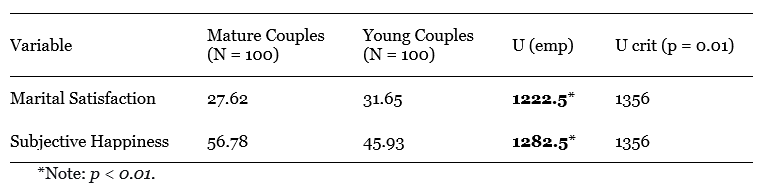
Table 1. Differences Between Groups (Mann–Whitney U Test)
| Variable | Mature Couples
(N = 100) |
Young Couples
(N = 100) |
U (emp) | U crit (p = 0.01) |
| Marital Satisfaction | 27.62 | 31.65 | 1222.5* | 1356 |
| Subjective Happiness | 56.78 | 45.93 | 1282.5* | 1356 |
*Note: p < 0.01.
Young couples reported significantly higher marital satisfaction (U = 1222.5, p < 0.01) than mature couples. In contrast, mature couples reported significantly higher subjective happiness (U = 1282.5, p < 0.01). These findings partially confirm our hypothesis: while the level of subjective happiness did differ (contrary to our expectation), the direction of difference, mature spouses reporting higher happiness, is noteworthy and suggests a dynamic adaptation process.
The standard deviation for happiness was larger in the young group (SD = 14.65) than in the mature group (SD = 12.97), indicating greater variability in happiness perceptions among younger spouses.
- Correlation Between Marital Satisfaction and Subjective Happiness
Spearman’s correlation revealed a weak positive relationship between marital satisfaction and subjective happiness in both groups: ρ = 0.1525 (mature couples) and ρ = 0.1798 (young couples). While both coefficients are positive, the strength of association is negligible. This suggests that marital quality is only a modest contributor to global happiness, with other factors—personality, professional fulfillment, social networks, and life circumstances—playing substantial roles.
3.3 Sources of Happiness: Qualitative Findings
Thematic analysis of open-ended responses revealed distinct patterns in the sources of happiness for young versus mature spouses.
In young couples, the primary sources of happiness were:
- Shared leisure time (e.g., traveling together, engaging in joint hobbies);
- Co-creation of family space (e.g., setting up a home, planning future);
- Intensive togetherness (e.g., “spending as much time together as possible”).
Young spouses frequently described happiness in terms of merging and identification with their partner. These responses reflect the romantic, emotionally intense nature of early marriage, often characterized by high interdependence.
In mature couples, the primary sources of happiness were:
- Established trust (e.g., “we know we can rely on each other no matter what”);
- Deep mutual understanding (e.g., “we understand each other without words”);
- Personal autonomy within the marriage (e.g., “we respect each other’s need for space and independence”).
Mature spouses emphasized autonomy grounded in trust. They described happiness as deriving from a stable foundation of mutual respect and understanding that allows each partner to pursue individual interests while maintaining a secure bond.
Notably, 80% of young spouses explicitly linked their happiness to their marital relationship, whereas mature spouses more often cited a combination of marital and extra-marital factors (e.g., children’s achievements, career stability, personal growth).
Discussion
This study provides empirical evidence for the dynamic nature of sources of subjective happiness across the family life cycle (Andreeva, 2005). While young spouses report higher marital satisfaction, their happiness is less stable and more dependent on the intensity of the relationship. Mature spouses, despite reporting lower marital satisfaction, experience higher and more stable subjective happiness, derived from a secure, autonomy-supporting partnership.
These findings resonate with the U-shaped curve of marital satisfaction (Aleshina, 2007; Zimmerman & Easterlin, 2006) but extend it by showing that global happiness follows a different trajectory. Mature couples may have weathered normative crises (e.g., the transition to parenthood, midlife reassessment) and developed resilient relational patterns that sustain happiness even when satisfaction with the relationship as such is moderate.
The weak correlation between marital satisfaction and subjective happiness is a crucial finding. It suggests that satisfaction and happiness are distinct constructs in the marital context. Marital satisfaction is a domain-specific evaluation, whereas subjective happiness reflects a global appraisal of one’s life. This aligns with the argument of Morozov and Bogush (2021) that marital satisfaction, while important, does not capture the full complexity of marital quality, which also includes cognitive (expectations, attitudes) and conative (conflict strategies, role distribution) components.
Our qualitative findings further nuance this picture. For young spouses, happiness is relational and symbiotic. For mature spouses, happiness is relational but autonomous. This shift mirrors the developmental trajectory from symbiotic love to mature partnership described in attachment theory (Bowlby, 1982) and family systems theory (Minuchin, 2009). It also reflects the increased importance of tolerance for uncertainty in long-term marriages (Solynin & Tsvetkova, 2024), as couples learn to balance togetherness with independence.
The higher variability in happiness among young couples likely reflects the instability of early marriage. While many are in the “honeymoon phase,” others may already be experiencing disillusionment or struggling with role negotiation. This underscores the vulnerability of this period and the importance of preventive psychological support (Kovsharova, 2026).
These findings have several practical implications:
- Stage-specific interventions: Psychological support should be tailored to the developmental stage of the marriage. Young couples may benefit from communication skills training, realistic expectation setting, and guidance on navigating the transition to parenthood. Mature couples may benefit from interventions focused on renegotiating roles, managing empty-nest transitions, and fostering intimacy while preserving autonomy.
- Focus on communication and conflict resolution: Given the importance of these factors for both satisfaction and happiness (Yakimanskaya, 2024; Mazur & Doronina, 2024), training in constructive conflict resolution and emotional intelligence (Shkryabko et al., 2025) should be a core component of support programs.
- Holistic assessment: The weak correlation between marital satisfaction and subjective happiness suggests that clinicians should not rely solely on satisfaction measures to assess well-being. A broader assessment of life meaning, personal goals, and extra-marital resources is warranted.
This study has several limitations. First, the cross-sectional design precludes causal inferences. Longitudinal research is needed to track how sources of happiness evolve within the same couples over time. Second, the sample was limited to Russian couples, and findings may not generalize to other cultural contexts where gender roles, family values, and social support systems differ. Third, we did not analyze couples as dyads; future research should explore within-couple concordance in sources of happiness and its impact on relational outcomes.
Future studies should also examine the role of personality orientation (Fomina & Proshlyakov, 2022) and emotional intelligence (Shkryabko et al., 2025) in moderating the satisfaction-happiness link. Including couples with longer durations (over 25 years) and those in post-parental stages would further illuminate the full trajectory of marital well-being.
Conclusions
This study demonstrates that the sources of subjective happiness in marriage shift significantly across the family life cycle. Young spouses derive happiness from togetherness, shared activities, and merging, whereas mature spouses derive it from trust, mutual understanding, and autonomy. Mature spouses report higher subjective happiness despite lower marital satisfaction, suggesting that global happiness is shaped by a broader range of life domains and reflects successful adaptation to the challenges of long-term partnership.
These findings challenge the assumption that marital satisfaction is the primary determinant of happiness in marriage and highlight the need for a more differentiated understanding of marital well-being. Supporting couples effectively requires attending not only to satisfaction but also to the evolving sources of meaning, connection, and personal fulfillment across the lifespan of the relationship.
Ethics Statement: All procedures performed in this study involving human participants were in accordance with the ethical standards of the institutional research committee and with the 1964 Helsinki Declaration and its later amendments. Informed consent was obtained from all individual participants included in the study.
CRediT author statement: The author confirms sole responsibility for the conception, design, data collection, analysis, and interpretation of the results presented in this manuscript. The text was carefully reviewed and proofread, and the final version has been approved by the author.
Conflicts of Interest: None declared.
Funding: This research received no external funding.
Acknowledgments: The author thanks all participants for their time and openness.
References
- Akhmetshina, E. N., & Galimova, R. Z. (2024). Gender differences in marital satisfaction in couples. [Gendernye razlichiya v stepeni udovletvorennosti brakom v supruzheskikh parakh]. Problemy sovremennogo pedagogicheskogo obrazovaniya, (2), 394–398.
- Aleshina, Yu. E. (2007). Individual and family psychological counseling. [Individual’noe i semeynoe psikhologicheskoe konsul’tirovanie]. Nezavisimaya Firma Klass.
- Andreeva, T. V. (2005). Psychology of the modern family. [Psikhologiya sovremennoy sem’i]. SPb: Rech’.
- Bowlby, J. (1982). Attachment (2nd ed., Vol. 1 of Attachment and loss). Basic Books.
- Burkhonova, Yu. I. (2026). Manifestation of marital and non-marital relationships in young families. Advances in Gender Equality: Family Values, Education Policy, and the Transformation of Social Consciousness, 6(20), 468–471. https://doi.org/10.24412/2181-1784-2026-20-468-471
- Danilova, E. A. (2025). Interpersonal relationships and life satisfaction of spouses at different stages of the family life cycle. Bulletin of Udmurt University. Series Philosophy. Psychology. Pedagogy, 35(2), 141–152. DOI: https://doi.org/10.35634/2412-9550-2025-35-2-141-152
- Duvall, E. M. & Hill, R. L. (1948). Report of the Committee on the Dynamics of Family Interaction. Washington, D.C. National Conference on Family Life.
- Epanchintseva, G. A., & Kozlovskaya, T. N. (2024). Psychological analysis of compatibility of men and women in family relationships. [Psikhologicheskiy analiz sovmestimosti muzhchin i zhenshchin v semeynykh vzaimootnosheniyakh]. Vestnik Orenburgskogo gosudarstvennogo universiteta, (1), 149–155. DOI: 10.25198/1814-6457-241-149
- Fomina, N., Proshlyakov, I. (2022). Harmonizing Women’s Personality to Increase Their Satisfaction with Marriage. Man and Education, 72 (3), 86-98. DOI: 10.54884/S181570410023216-2
- Grishina, A. V., & Prudnik, A. N. (2022). The level of satisfaction with marriage and family relations in connection to the specifics of the value-semantic sphere of married couples. Innovative science: psychology, pedagogy, defectology, 5(2), 70–84. https://doi.org/10.23947/2658-7165-2022-5-2-70-84
- Hills, P., & Argyle, M. (2002). The Oxford Happiness Questionnaire: A compact scale for the measurement of psychological well-being. Personality and Individual Differences, *33*(7), 1073–1082.https://doi.org/10.1016/S0191-8869(01)00213-6
- Il’insky, S. V. (2017). Family factors of psychological well-being. Bulletin of samara academy for the humanities. A series of psychology, (1), 76–91.
- Kotelnikova, Ya. V. (2026). Level of marital satisfaction among young families. [Uroven’ udovletvorennosti brakom molodykh semey]. Universum: Psychology and Education. [Universum: psikhologiya i obrazovanie], 3(141). https://7universum.com/ru/psy/archive/item/22025
- Kotelnikova, Yu. S. (2018). Psychological factors of marital satisfaction in young families. [Psikhologicheskie faktory udovletvorennosti brakom v molodykh sem’yakh]. Issues of Science and Education. [Voprosy nauki i obrazovaniya], 16(4), 60–63.
- Kovsharova, M. I. (2026). The first-year marriage crisis: from disillusionment to mature relationships. [Krizis pervogo goda braka: ot krusheniya illyuziy k zrelym otnosheniyam]. Vestnik nauki, 3(96), 396–402. https://www.вестник-науки.рф/article/29312
- Lysenko, E. M., & Shapov, D. D. (2025). Communicative competence and satisfaction with marital relationships. [Kommunikativnaya kompetentnost’ i udovletvorennost’ supruzheskimi vzaimootnosheniyami]. In Acmeology of Development 2025: Methodological and Methodical Issues. [Akmeologiya razvitiya 2025. Metodologicheskie i metodicheskie problemy] (pp. 83–97). Rusains.
- Mazur, A. S., & Doronina, N. N. (2024). Characteristics of communication between spouses with different levels of marital satisfaction. [Osobennosti obshcheniya suprugov s raznym urovnem udovletvorennosti brakom]. Vestnik nauki, 2(12), 1217–1223. https://www.вестник-науки.рф/article/19576
- Minuchin, S. (2009). Families and family therapy. Harvard University Press.
- Morozov, V. A., & Bogush, V. V. (2021). On the issue of assessing the dynamics of marital relations in modern families [K voprosu ob otsenke dinamiki supruzheskikh otnosheniy v sovremennykh sem’yakh]. StudNet, (3).
- Myrskylä, M., & Margolis, R. (2014). Happiness: Before and after the kids. Demography, 51(5), 1843–1866. https://doi.org/10.1007/s13524-014-0321-x
- Potashova, I. A. (2019). Development of marital relations at various stages of young family formation. [Razvitie supruzheskikh otnosheniy na razlichnykh etapakh stanovleniya molodoy sem’i]. Symbol of science: international scientific journal, (10), 107–111.
- Ryff, C. D. (1989). Happiness is everything, or is it? Explorations on the meaning of psychological well-being. Journal of Personality and Social Psychology, 57(6), 1069–1081.
- Seligman, M. E. P. (2002). Authentic happiness: Using the new positive psychology to realize your potential for lasting fulfillment. Simon & Schuster.
- Shkryabko, I. P., Popova, A. A., Varetsa, E. S., & Belous, O. V. (2025). Psychological well-being of an individual within family interaction: Characteristic features determined by emotional intelligence. Science for Education Today, 15(1), 183–200. https://doi.org/10.15293/2658-6762.2501.09
- Solynin, N. E., & Tsvetkova, E. N. (2024). Features of tolerance for uncertainty in families with different marriage lengths. [Osobennosti tolerantnosti k neopredelennosti v sem’yakh s raznym stazhem supruzhestva]. Problems of Modern Pedagogical Education. [Problemy sovremennogo pedagogicheskogo obrazovaniya], (84‑1), 483–486.
- Stolin, V. V., Romanova, T. L., & Butenko, G. P. (1984). Marital satisfaction questionnaire. Moscow University Psychology Bulletin, 14(2), 54–60.
- Sysenko, V. A. (1989). Marital conflicts. [Supruzheskie konflikty]. Mysl’.
- Ulanovskaya, K. P. (2025). Diagnostics of spouses with low level of marital satisfaction. [Diagnostika suprugov, imeyushchikh nizkiy uroven’ udovletvorennosti brakom]. Bulletin of Science. [Vestnik nauki], 2(10), 610–615.
- Yakimanskaya, I. S. (2024). Marital satisfaction, personality traits of spouses, and choice of strategies for resolving family conflicts. [Udovletvorennost’ brakom, osobennosti lichnosti suprugov i vybor strategiy vykhoda iz semeynykh konfliktov]. Psychologist. [Psikholog], (1), 39–46. https://doi.org/10.25136/2409-8701.2024.1.69585
- Zimmermann, A. C., & Easterlin, R. A. (2006). Happily ever after? Cohabitation, marriage, divorce, and happiness in Germany. Population and Development Review, 32(3), 511–528. https://doi.org/10.1111/j.1728-4457.2006.00135.x
Comments (0)
Relevance and problem. In the context of rapid social transformation, the family remains a key determinant of individual psychological well‑being. Nevertheless, the ways in which the sources of marital happiness vary across the family life cycle remain underexplored. Clarifying these differences is crucial for designing stage‑specific psychological interventions that effectively support couples as their relationships evolve.
Objective. This study aimed to investigate the psychological characteristics of sources of subjective happiness in spouses at different stages of family life.
Methods. The sample comprised 400 individuals from 200 married couples, divided into two groups: young couples (n = 100, marital duration up to 5 years) and mature couples (n = 100, marital duration over 20 years). Data were collected using the Oxford Happiness Inventory ( Hills & Argyle, 2002), the Marital Satisfaction Questionnaire (Stolin, Romanova, & Butenko, 1984), and an author-developed survey on perceptions of marital happiness. Quantitative analysis employed the Mann–Whitney U test and Spearman’s rank correlation.
Results. Significant differences were found between groups. Young spouses reported higher marital satisfaction (U = 1222.5, p < 0.01), whereas mature spouses reported higher subjective happiness (U = 1282.5, p < 0.01). Correlation analysis revealed a weak positive association between marital satisfaction and subjective happiness in both groups (ρ = 0.15 – 0.18), indicating that marital quality is only one of several factors contributing to overall happiness. Qualitative differences in sources of happiness emerged: young spouses identified shared leisure time, co-creation of family space, and intensive togetherness as key sources; mature spouses emphasized established trust, mutual understanding, and personal autonomy within the marriage.
Conclusion. The findings reveal a dynamic shift in the sources of subjective happiness across the family life cycle: from romantic togetherness in young couples to autonomy grounded in deep trust in mature couples. The weak correlation between marital satisfaction and subjective happiness suggests that global happiness is influenced by a broader set of personal, professional, and social factors beyond marital quality. These results underscore the need for stage-specific psychological support for couples and highlight the importance of longitudinal designs in future research.
Источники субъективного счастья у супругов на разных этапах семейной жизни
Татьяна Л. Кузьмишина
Московский педагогический государственный университет, Москва, Россия
Резюме. Актуальность и проблема. В условиях стремительной социальной трансформации семья остаётся ключевым фактором психологического благополучия личности. Тем не менее вопрос о том, как источники супружеского счастья изменяются на разных этапах жизненного цикла семьи, остаётся недостаточно изученным. Выявление этих различий имеет решающее значение для разработки дифференцированных психологических интервенций, позволяющих эффективно поддерживать супружеские пары по мере развития их отношений.
Цель данного исследования состояла в изучении психологических особенностей источников субъективного счастья у супругов на разных этапах семейной жизни.
Методы. В исследовании приняли участие 400 человек из 200 супружеских пар с разным стажем семейной жизни: молодые пары (N=100), со стажем семейной жизни до 5 лет, и зрелые (N=100), со стажем семейной жизни более 20 лет. Сбор данных осуществлялся с помощью Оксфордского опросника счастья (Argyle, 1989), опросника удовлетворенности браком (Столин, Бутенко, Романова, 1984) и авторской анкеты, направленной на выявление представлений супругов о семейном счастье. Количественная обработка данных проводилась с использованием U‑критерия Манна–Уитни и коэффициента ранговой корреляции Спирмена.
Результаты: Супруги в молодых семьях продемонстрировали более высокий уровень удовлетворённости браком (U = 1222,5, p < 0,01), тогда как супруги в зрелых семьях — более высокий уровень субъективного счастья (U = 1282,5, p < 0,01). Корреляционный анализ выявил слабую положительную связь между удовлетворённостью браком и субъективным счастьем в обеих группах (ρ = 0,15–0,18), что свидетельствует о том, что качество супружеских отношений является лишь одним из нескольких факторов, определяющих общее ощущение счастья. Обнаружены качественные различия в источниках счастья: молодые супруги называли в качестве ключевых источников совместное времяпрепровождение, обустройство семейного пространства и интенсивное времяпрепровождение вдвоём; зрелые супруги акцентировали устоявшиеся доверительные отношения, взаимопонимание и личную автономию в браке.
Заключение. Полученные данные свидетельствуют о динамическом изменении источников субъективного счастья на протяжении жизненного цикла семьи: от романтической близости в молодых супружеских парах к автономии, основанной на глубоком доверии, в зрелых. Слабая корреляция между удовлетворённостью браком и субъективным счастьем позволяет предположить, что общее ощущение счастья определяется более широким кругом личностных, профессиональных и социальных факторов, выходящих за пределы качества супружеских отношений. Эти результаты подчёркивают необходимость дифференцированной психологической поддержки супружеских пар на разных этапах семейной жизни, а также значимость лонгитюдных исследований для дальнейшего изучения данной проблематики.
Ключевые слова: супруги, субъективное счастье, удовлетворённость в браке, этапы семейной жизни, брак, семья, психологическое благополучие
In a rapidly changing society marked by political, economic, and technological transformations, a happy family life and the experience of psychological well‑being within marital relationships provide a crucial sense of stability and meaning for many individuals. Global shifts and digitalization profoundly affect the institution of marriage, giving rise to new psychological challenges for couples. Consequently, research on marital well‑being and the factors underlying spouses’ subjective happiness has acquired renewed relevance. As Tolstoy famously observed, all happy families are alike; each unhappy family is unhappy in its own way. Yet, we contend that every couple’s relationship is unique. As marital relationships develop, they pass through distinct stages, each offering new experiences in communication and interaction. It is well established that at different stages of family life, individuals pursue specific goals, face common tasks, and experience varying levels of happiness depending on multiple factors.
Problem statement. Despite a growing body of research on marital satisfaction, the ways in which the sources of subjective happiness differ across the family life cycle remain insufficiently explored. Most studies focus either on young couples or on marital satisfaction as a global indicator, neglecting the qualitative shifts in what makes spouses happy as their relationship matures. Understanding these dynamics is essential for developing stage‑specific psychological interventions.
Objective. The present study aimed to investigate the sources and levels of subjective happiness in spouses at different stages of family life, specifically comparing young couples (marital duration up to 5 years) and mature couples (marital duration over 20 years).
Hypotheses. We hypothesized that: (1) mature couples would report higher levels of trust, mutual understanding, and marital satisfaction than young couples; (2) the level of subjective happiness would not differ significantly between the two groups; and (3) the sources of happiness would differ: young spouses would derive happiness from intensive interaction, merging, and identification with their partner, whereas mature spouses would value opportunities for personal growth and autonomy within the marriage.
Theoretical Background
Marital satisfaction is a subjective assessment of the quality of one’s marital relationship, formed by comparing personal expectations with actual experience. It is influenced by a complex interplay of physical, material, cultural, sexual, and psychological factors. Key characteristics of a happy marriage include mutual love, acceptance, respect, support, deep spiritual communication, trust, a willingness to face practical and financial challenges together, and physical attraction (Aleshina, 2007). Based on satisfaction, researchers distinguish several types of marriage: happy, harmonious, problematic, crisis, and dissolved (Potashova, 2019). Marital compatibility, a key condition for happiness, comprises four core dimensions: spiritual, personal, family‑practical, and physiological (Sysenko, 1989).
Research consistently shows that marital satisfaction follows a U‑shaped curve across the family life cycle. Satisfaction declines during the first two decades of marriage, reaching its lowest point at 12–18 years, before rising again (Aleshina, 2007). Lysenko and Shapov (2025) found the highest satisfaction among couples with up to four years of marriage and the lowest among those married 5–9 years—a period marked by increased family problems, crises, declining romance, and reduced emotional intensity. Similar patterns have been observed cross‑culturally. Burkhonova (2026) reported the lowest marital satisfaction among Uzbek couples with 5–10 years of marriage and the highest among those married over 11 years. Importantly, the motive for marriage significantly influences satisfaction: those who married for love report the highest satisfaction, while those who married out of fear of loneliness or due to forced circumstances report the lowest.
Recent research has identified a range of psychological factors that shape marital satisfaction and subjective well‑being. Value‑meaning orientations play a significant role: Grishina and Prudnik (2022) found direct positive correlations between marital satisfaction and the perception of life as interesting and meaningful (r = 0.231) and the ability to build life according to one’s goals (r = 0.256). Role expectations, particularly personal identification with the spouse, are also closely linked to the value system. Emotional intelligence has emerged as a critical personal resource. Shkryabko et al. (2025) showed that spouses with high emotional intelligence prioritize values such as communication, sincerity, openness, and family commitment, and report higher marital satisfaction. Conversely, those with low emotional intelligence tend to focus on external attributes of well‑being and are more prone to dissatisfaction.
Conflict resolution strategies are another key behavioral determinant. Yakimanskaya (2024) found that spouses with high marital satisfaction tend to use cooperation and compromise, while those with low satisfaction prefer avoidance, rivalry, and accommodation. These non‑constructive strategies create a vicious cycle, reducing satisfaction and reinforcing maladaptive patterns. Communication quality is also foundational. Mazur and Doronina (2024) reported that satisfied spouses exhibit higher levels of trust, ease of communication, mutual understanding, and shared values. In contrast, dissatisfied spouses tend to conceal important aspects of their lives and avoid sharing experiences.
Gender differences in marital satisfaction are well documented. Akhmetshina and Galimova (2024) found that men are significantly more satisfied with marriage than women (t = 2.7, p ≤ 0.01). While 64% of men rated their marriage as happy, only 52% of women did. These differences are attributed to divergent expectations: women more often seek emotional support and understanding, while men prioritize stability and comfort. Significant gender differences also exist in sexual satisfaction, with 56% of men versus 32% of women reporting complete satisfaction. Personality orientation also matters. Fomina and Proshlyakov (2022) demonstrated that women with a task‑oriented personality—focused on achievement and productivity—report significantly lower marital satisfaction than those oriented toward themselves or others. Such women’s tendency to prioritize ideal outcomes over relational harmony negatively impacts the emotional climate of the family.
The concept of the family life cycle, introduced by Duvall and Hill (1948), provides a framework for understanding how marital relationships evolve. Each stage presents specific developmental tasks and normative crises. The transition from one stage to the next involves changes in family structure, resources, relationship quality, and role responsibilities. Research by Zimmerman and Easterlin (2006), based on an 18‑year longitudinal study of 37,000 individuals, showed that while people become significantly happier after marriage, this effect peaks in the first two years and then declines, though happiness remains higher than before marriage. The transition to parenthood represents a critical juncture. Myrskylä and Margolis (2014) found that parents become significantly happier in the year before the birth of their first child, and this elevated happiness persists for one year after birth before returning to pre‑birth levels. Thus, while children can bring joy, they also introduce stress, financial pressure, and reduced romantic intimacy.
In mature marriages, happiness is increasingly tied to conflict resolution skills, mutual respect, respect for personal boundaries, shared commitment to personal growth, and expressions of gratitude (Lysenko & Shapov, 2025). These findings align with broader conceptualizations of happiness as a dynamic process influenced by meaning, positive relationships, and personal development (Seligman, 2002; Ryff, 1989).
The initial stage of family life warrants particular attention. Kovsharova (2026) notes that the crisis of the first year of marriage is a normative developmental stage, linked to a neurophysiological decline in dopaminergic support and the inevitable disillusionment of romantic ideals. Successfully navigating this stage lays the foundation for long‑term stability and mature partnership.
Integrating multiple theoretical perspectives, Morozov and Bogush (2021) emphasize that marital satisfaction, while an important integrative indicator, does not fully capture the complexity of marital quality. Drawing on an interpersonal approach, they identify three interrelated components of marital relationships: cognitive (marital expectations and attitudes), emotional (emotional closeness, attraction, respect), and conative or behavioral (fulfillment of family functions, role distribution, conflict resolution). Disharmony among these components, especially when marital expectations diverge from actual role behavior, leads to decreased satisfaction and may provoke conflict.
Summarizing recent research, Kotelnikova, Yu. S. (2018) distinguishes four groups of factors affecting marital satisfaction in young families: socio‑demographic and economic (income, age, presence of children); extra‑family characteristics (occupation, social environment); attitudes and behaviors in key family domains (division of chores, leisure); and characteristics of marital interaction (emotional and moral values, shared views). Gender differences are also evident: women with high marital satisfaction tend to favor equal role distribution, while for men, congruence in sexual roles is more significant.
Il’insky (2017) highlights that congruence in role expectations and shared family values are critical for family psychological well‑being. Spiritual satisfaction, unity, and a sense of shared life are most important for marital satisfaction. However, an excessive focus on the domestic or sexual spheres, according to nonlinear models, may reduce satisfaction, underscoring the need for balance in role distribution. Epanchintseva and Kozlovskaya (2024) emphasize the importance of aligning role expectations and claims. Women place greater value on the domestic function of the family than men, requiring mutual understanding and flexibility in dividing responsibilities. They also found a significant positive correlation between women’s social activity and marital satisfaction (r = 0.383; p ≤ 0.01), indicating a transformation of traditional gender roles in modern families.
Solynin and Tsvetkova (2024) examine tolerance for uncertainty as a psychological resource for adaptation to married life. Young spouses with less than three years of marriage demonstrate higher tolerance for uncertainty and a more positive attitude toward uncertain situations compared to those married 3–10 years, reflecting the active adaptation period. With longer marriage duration, this tolerance becomes closely correlated with family adaptation, cohesion, and satisfaction. Danilova (2025) explores the dynamics of interpersonal relations across family stages. Spouses in middle‑duration marriages (6–14 years) show significantly higher tension compared to young couples (up to 5 years). Middle‑aged men experience increased asthenic feelings, while women’s marital satisfaction declines. Young spouses, in contrast, exhibit greater concern about the future, likely reflecting the instability of early marriage. Ulanovskaya (2025) shows that couples with low marital satisfaction exhibit specific communication patterns: spouses tend to conceal important aspects of their lives, avoid sharing experiences, and solve problems independently. Gender differences emerge: women show higher scores in understanding, emotional attraction, and partner authority, suggesting greater emotional involvement in the relationship.
The psychotherapeutic function of marriage has gained particular importance in the current context, where high stress levels and societal uncertainty increase the need for psychological support from a spouse. Despite the extensive literature reviewed above, the question of how the sources of subjective happiness differ between young and mature spouses remains insufficiently addressed. The present study therefore aims to fill this gap by investigating both the level and the sources of subjective happiness in young (up to 5 years) versus mature (over 20 years) couples, testing the three hypotheses stated above.
2.1. Sample
The study involved 200 married couples (N = 400 individuals), divided into two groups:
Young couples (n = 100, marital duration up to 5 years);
Mature couples (n = 100, marital duration over 20 years).
To control for the influence of parenthood, each group included an equal number of couples with and without children. Participants were recruited through online channels and completed all measures via online forms.
- Measures
- Oxford Happiness Inventory(Hills & Argyle, 2002) – to assess subjective happiness.
- Marital Satisfaction Questionnaire(Stolin, Romanova, & Butenko, 1984) – to assess satisfaction with marriage.
- Author-developed survey– designed to explore spouses’ perceptions of the sources of happiness in their marriage, including open-ended questions about what makes them happy.
- Data Analysis
Quantitative data were analyzed using the Mann–Whitney U test to compare group differences and Spearman’s rank correlation to examine relationships between marital satisfaction and subjective happiness. Qualitative responses were subjected to thematic content analysis to identify recurring sources of happiness in each group.
3.1. Descriptive Statistics and Group Differences
The Mann–Whitney U test revealed statistically significant differences between young and mature couples on both key variables.
Table 1. Differences Between Groups (Mann–Whitney U Test)
| Variable | Mature Couples
(N = 100) |
Young Couples
(N = 100) |
U (emp) | U crit (p = 0.01) |
| Marital Satisfaction | 27.62 | 31.65 | 1222.5* | 1356 |
| Subjective Happiness | 56.78 | 45.93 | 1282.5* | 1356 |
*Note: p < 0.01.
Young couples reported significantly higher marital satisfaction (U = 1222.5, p < 0.01) than mature couples. In contrast, mature couples reported significantly higher subjective happiness (U = 1282.5, p < 0.01). These findings partially confirm our hypothesis: while the level of subjective happiness did differ (contrary to our expectation), the direction of difference, mature spouses reporting higher happiness, is noteworthy and suggests a dynamic adaptation process.
The standard deviation for happiness was larger in the young group (SD = 14.65) than in the mature group (SD = 12.97), indicating greater variability in happiness perceptions among younger spouses.
- Correlation Between Marital Satisfaction and Subjective Happiness
Spearman’s correlation revealed a weak positive relationship between marital satisfaction and subjective happiness in both groups: ρ = 0.1525 (mature couples) and ρ = 0.1798 (young couples). While both coefficients are positive, the strength of association is negligible. This suggests that marital quality is only a modest contributor to global happiness, with other factors—personality, professional fulfillment, social networks, and life circumstances—playing substantial roles.
3.3 Sources of Happiness: Qualitative Findings
Thematic analysis of open-ended responses revealed distinct patterns in the sources of happiness for young versus mature spouses.
In young couples, the primary sources of happiness were:
- Shared leisure time (e.g., traveling together, engaging in joint hobbies);
- Co-creation of family space (e.g., setting up a home, planning future);
- Intensive togetherness (e.g., “spending as much time together as possible”).
Young spouses frequently described happiness in terms of merging and identification with their partner. These responses reflect the romantic, emotionally intense nature of early marriage, often characterized by high interdependence.
In mature couples, the primary sources of happiness were:
- Established trust (e.g., “we know we can rely on each other no matter what”);
- Deep mutual understanding (e.g., “we understand each other without words”);
- Personal autonomy within the marriage (e.g., “we respect each other’s need for space and independence”).
Mature spouses emphasized autonomy grounded in trust. They described happiness as deriving from a stable foundation of mutual respect and understanding that allows each partner to pursue individual interests while maintaining a secure bond.
Notably, 80% of young spouses explicitly linked their happiness to their marital relationship, whereas mature spouses more often cited a combination of marital and extra-marital factors (e.g., children’s achievements, career stability, personal growth).
This study provides empirical evidence for the dynamic nature of sources of subjective happiness across the family life cycle (Andreeva, 2005). While young spouses report higher marital satisfaction, their happiness is less stable and more dependent on the intensity of the relationship. Mature spouses, despite reporting lower marital satisfaction, experience higher and more stable subjective happiness, derived from a secure, autonomy-supporting partnership.
These findings resonate with the U-shaped curve of marital satisfaction (Aleshina, 2007; Zimmerman & Easterlin, 2006) but extend it by showing that global happiness follows a different trajectory. Mature couples may have weathered normative crises (e.g., the transition to parenthood, midlife reassessment) and developed resilient relational patterns that sustain happiness even when satisfaction with the relationship as such is moderate.
The weak correlation between marital satisfaction and subjective happiness is a crucial finding. It suggests that satisfaction and happiness are distinct constructs in the marital context. Marital satisfaction is a domain-specific evaluation, whereas subjective happiness reflects a global appraisal of one’s life. This aligns with the argument of Morozov and Bogush (2021) that marital satisfaction, while important, does not capture the full complexity of marital quality, which also includes cognitive (expectations, attitudes) and conative (conflict strategies, role distribution) components.
Our qualitative findings further nuance this picture. For young spouses, happiness is relational and symbiotic. For mature spouses, happiness is relational but autonomous. This shift mirrors the developmental trajectory from symbiotic love to mature partnership described in attachment theory (Bowlby, 1982) and family systems theory (Minuchin, 2009). It also reflects the increased importance of tolerance for uncertainty in long-term marriages (Solynin & Tsvetkova, 2024), as couples learn to balance togetherness with independence.
The higher variability in happiness among young couples likely reflects the instability of early marriage. While many are in the “honeymoon phase,” others may already be experiencing disillusionment or struggling with role negotiation. This underscores the vulnerability of this period and the importance of preventive psychological support (Kovsharova, 2026).
These findings have several practical implications:
- Stage-specific interventions: Psychological support should be tailored to the developmental stage of the marriage. Young couples may benefit from communication skills training, realistic expectation setting, and guidance on navigating the transition to parenthood. Mature couples may benefit from interventions focused on renegotiating roles, managing empty-nest transitions, and fostering intimacy while preserving autonomy.
- Focus on communication and conflict resolution: Given the importance of these factors for both satisfaction and happiness (Yakimanskaya, 2024; Mazur & Doronina, 2024), training in constructive conflict resolution and emotional intelligence (Shkryabko et al., 2025) should be a core component of support programs.
- Holistic assessment: The weak correlation between marital satisfaction and subjective happiness suggests that clinicians should not rely solely on satisfaction measures to assess well-being. A broader assessment of life meaning, personal goals, and extra-marital resources is warranted.
This study has several limitations. First, the cross-sectional design precludes causal inferences. Longitudinal research is needed to track how sources of happiness evolve within the same couples over time. Second, the sample was limited to Russian couples, and findings may not generalize to other cultural contexts where gender roles, family values, and social support systems differ. Third, we did not analyze couples as dyads; future research should explore within-couple concordance in sources of happiness and its impact on relational outcomes.
Future studies should also examine the role of personality orientation (Fomina & Proshlyakov, 2022) and emotional intelligence (Shkryabko et al., 2025) in moderating the satisfaction-happiness link. Including couples with longer durations (over 25 years) and those in post-parental stages would further illuminate the full trajectory of marital well-being.
This study demonstrates that the sources of subjective happiness in marriage shift significantly across the family life cycle. Young spouses derive happiness from togetherness, shared activities, and merging, whereas mature spouses derive it from trust, mutual understanding, and autonomy. Mature spouses report higher subjective happiness despite lower marital satisfaction, suggesting that global happiness is shaped by a broader range of life domains and reflects successful adaptation to the challenges of long-term partnership.
These findings challenge the assumption that marital satisfaction is the primary determinant of happiness in marriage and highlight the need for a more differentiated understanding of marital well-being. Supporting couples effectively requires attending not only to satisfaction but also to the evolving sources of meaning, connection, and personal fulfillment across the lifespan of the relationship.
Ethics Statement: All procedures performed in this study involving human participants were in accordance with the ethical standards of the institutional research committee and with the 1964 Helsinki Declaration and its later amendments. Informed consent was obtained from all individual participants included in the study.
CRediT author statement: The author confirms sole responsibility for the conception, design, data collection, analysis, and interpretation of the results presented in this manuscript. The text was carefully reviewed and proofread, and the final version has been approved by the author.
Conflicts of Interest: None declared.
Funding: This research received no external funding.
Acknowledgments: The author thanks all participants for their time and openness.
- Akhmetshina, E. N., & Galimova, R. Z. (2024). Gender differences in marital satisfaction in couples. [Gendernye razlichiya v stepeni udovletvorennosti brakom v supruzheskikh parakh]. Problemy sovremennogo pedagogicheskogo obrazovaniya, (2), 394–398.
- Aleshina, Yu. E. (2007). Individual and family psychological counseling. [Individual’noe i semeynoe psikhologicheskoe konsul’tirovanie]. Nezavisimaya Firma Klass.
- Andreeva, T. V. (2005). Psychology of the modern family. [Psikhologiya sovremennoy sem’i]. SPb: Rech’.
- Bowlby, J. (1982). Attachment (2nd ed., Vol. 1 of Attachment and loss). Basic Books.
- Burkhonova, Yu. I. (2026). Manifestation of marital and non-marital relationships in young families. Advances in Gender Equality: Family Values, Education Policy, and the Transformation of Social Consciousness, 6(20), 468–471. https://doi.org/10.24412/2181-1784-2026-20-468-471
- Danilova, E. A. (2025). Interpersonal relationships and life satisfaction of spouses at different stages of the family life cycle. Bulletin of Udmurt University. Series Philosophy. Psychology. Pedagogy, 35(2), 141–152. DOI: https://doi.org/10.35634/2412-9550-2025-35-2-141-152
- Duvall, E. M. & Hill, R. L. (1948). Report of the Committee on the Dynamics of Family Interaction. Washington, D.C. National Conference on Family Life.
- Epanchintseva, G. A., & Kozlovskaya, T. N. (2024). Psychological analysis of compatibility of men and women in family relationships. [Psikhologicheskiy analiz sovmestimosti muzhchin i zhenshchin v semeynykh vzaimootnosheniyakh]. Vestnik Orenburgskogo gosudarstvennogo universiteta, (1), 149–155. DOI: 10.25198/1814-6457-241-149
- Fomina, N., Proshlyakov, I. (2022). Harmonizing Women’s Personality to Increase Their Satisfaction with Marriage. Man and Education, 72 (3), 86-98. DOI: 10.54884/S181570410023216-2
- Grishina, A. V., & Prudnik, A. N. (2022). The level of satisfaction with marriage and family relations in connection to the specifics of the value-semantic sphere of married couples. Innovative science: psychology, pedagogy, defectology, 5(2), 70–84. https://doi.org/10.23947/2658-7165-2022-5-2-70-84
- Hills, P., & Argyle, M. (2002). The Oxford Happiness Questionnaire: A compact scale for the measurement of psychological well-being. Personality and Individual Differences, *33*(7), 1073–1082.https://doi.org/10.1016/S0191-8869(01)00213-6
- Il’insky, S. V. (2017). Family factors of psychological well-being. Bulletin of samara academy for the humanities. A series of psychology, (1), 76–91.
- Kotelnikova, Ya. V. (2026). Level of marital satisfaction among young families. [Uroven’ udovletvorennosti brakom molodykh semey]. Universum: Psychology and Education. [Universum: psikhologiya i obrazovanie], 3(141). https://7universum.com/ru/psy/archive/item/22025
- Kotelnikova, Yu. S. (2018). Psychological factors of marital satisfaction in young families. [Psikhologicheskie faktory udovletvorennosti brakom v molodykh sem’yakh]. Issues of Science and Education. [Voprosy nauki i obrazovaniya], 16(4), 60–63.
- Kovsharova, M. I. (2026). The first-year marriage crisis: from disillusionment to mature relationships. [Krizis pervogo goda braka: ot krusheniya illyuziy k zrelym otnosheniyam]. Vestnik nauki, 3(96), 396–402. https://www.вестник-науки.рф/article/29312
- Lysenko, E. M., & Shapov, D. D. (2025). Communicative competence and satisfaction with marital relationships. [Kommunikativnaya kompetentnost’ i udovletvorennost’ supruzheskimi vzaimootnosheniyami]. In Acmeology of Development 2025: Methodological and Methodical Issues. [Akmeologiya razvitiya 2025. Metodologicheskie i metodicheskie problemy] (pp. 83–97). Rusains.
- Mazur, A. S., & Doronina, N. N. (2024). Characteristics of communication between spouses with different levels of marital satisfaction. [Osobennosti obshcheniya suprugov s raznym urovnem udovletvorennosti brakom]. Vestnik nauki, 2(12), 1217–1223. https://www.вестник-науки.рф/article/19576
- Minuchin, S. (2009). Families and family therapy. Harvard University Press.
- Morozov, V. A., & Bogush, V. V. (2021). On the issue of assessing the dynamics of marital relations in modern families [K voprosu ob otsenke dinamiki supruzheskikh otnosheniy v sovremennykh sem’yakh]. StudNet, (3).
- Myrskylä, M., & Margolis, R. (2014). Happiness: Before and after the kids. Demography, 51(5), 1843–1866. https://doi.org/10.1007/s13524-014-0321-x
- Potashova, I. A. (2019). Development of marital relations at various stages of young family formation. [Razvitie supruzheskikh otnosheniy na razlichnykh etapakh stanovleniya molodoy sem’i]. Symbol of science: international scientific journal, (10), 107–111.
- Ryff, C. D. (1989). Happiness is everything, or is it? Explorations on the meaning of psychological well-being. Journal of Personality and Social Psychology, 57(6), 1069–1081.
- Seligman, M. E. P. (2002). Authentic happiness: Using the new positive psychology to realize your potential for lasting fulfillment. Simon & Schuster.
- Shkryabko, I. P., Popova, A. A., Varetsa, E. S., & Belous, O. V. (2025). Psychological well-being of an individual within family interaction: Characteristic features determined by emotional intelligence. Science for Education Today, 15(1), 183–200. https://doi.org/10.15293/2658-6762.2501.09
- Solynin, N. E., & Tsvetkova, E. N. (2024). Features of tolerance for uncertainty in families with different marriage lengths. [Osobennosti tolerantnosti k neopredelennosti v sem’yakh s raznym stazhem supruzhestva]. Problems of Modern Pedagogical Education. [Problemy sovremennogo pedagogicheskogo obrazovaniya], (84‑1), 483–486.
- Stolin, V. V., Romanova, T. L., & Butenko, G. P. (1984). Marital satisfaction questionnaire. Moscow University Psychology Bulletin, 14(2), 54–60.
- Sysenko, V. A. (1989). Marital conflicts. [Supruzheskie konflikty]. Mysl’.
- Ulanovskaya, K. P. (2025). Diagnostics of spouses with low level of marital satisfaction. [Diagnostika suprugov, imeyushchikh nizkiy uroven’ udovletvorennosti brakom]. Bulletin of Science. [Vestnik nauki], 2(10), 610–615.
- Yakimanskaya, I. S. (2024). Marital satisfaction, personality traits of spouses, and choice of strategies for resolving family conflicts. [Udovletvorennost’ brakom, osobennosti lichnosti suprugov i vybor strategiy vykhoda iz semeynykh konfliktov]. Psychologist. [Psikholog], (1), 39–46. https://doi.org/10.25136/2409-8701.2024.1.69585
- Zimmermann, A. C., & Easterlin, R. A. (2006). Happily ever after? Cohabitation, marriage, divorce, and happiness in Germany. Population and Development Review, 32(3), 511–528. https://doi.org/10.1111/j.1728-4457.2006.00135.x
Abstract