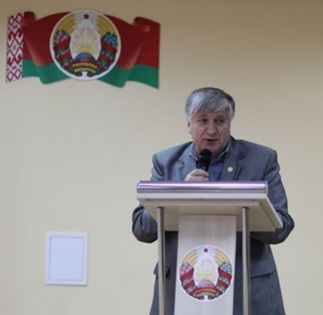
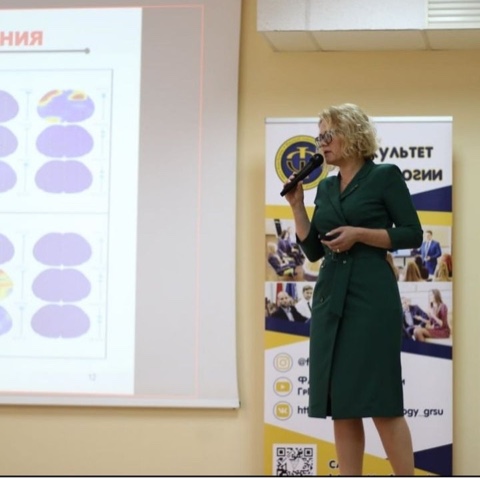
VI International Scientific and Practical Conference “Current Problems of Personality Psychology and Social Interaction”
Abstract
Abstract
The article presents the results of the VI International Scientific and Practical Conference “Current Problems of Personality Psychology and Social Interaction”, which are devoted to topical issues of modern psychology
Introduction
On October 5, 2023, the VI International Scientific and Practical Conference “Current Problems of Personality Psychology and Social Interaction” (Mitrofanova, et. al. (Eds), 2023) was held at the Grodno State University named after Yanka Kupala. Among the co-organizers of the conference were well-known scientific organizations and universities: educational institution “Belarusian State Pedagogical University named after Maxim Tank” Institute of Psychology (Belarus), Psychological Institute of the Russian Academy of Education (Russia), Institute of Psychology of the Russian Academy of Sciences (Russia), Federal State Budgetary Educational Institution of Higher Education “Yaroslavl State Pedagogical University named after. K. D. Ushinsky” (Russia), Federal State Budgetary Educational Institution of Higher Education “National Research Mordovian State University named after. N. P. Ogareva” (Russia), Federal State Budgetary Educational Institution of Higher Education “Kostroma State University” (Russia).
The conference was dedicated to the anniversaries of the departments of general and social psychology, developmental psychology, and educational psychology. The conference schedule was very busy: plenary session, poster presentations, and round table talk. The conference participants discussed such issues as:
- phenomenology, mechanisms, and patterns of human development throughout life;
- methodological, theoretical and applied problems of personality psychology and social interaction;
- intelligence as a form of organization of mental experience and a resource for coping behavior;
- development and socialization of personality in a digital society;
- professional personality development;
- development of personality in the educational process;
- the role of the family in personality development.
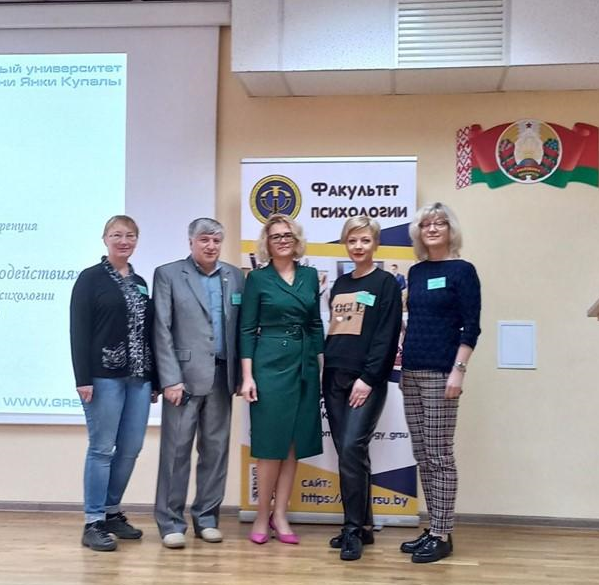
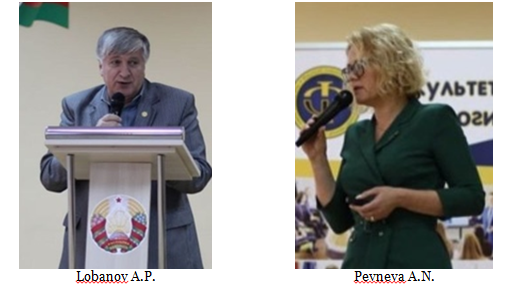
In the photo from left to right are N.P. Radchikova, leading researcher at the scientific and practical center for integrated support of psychological research PsyDATA, Moscow State University of Psychology and Education, candidate of psychological sciences, associate professor (Moscow); Lobanov Alexander Pavlovich, Professor of the Department of General and Organizational Psychology of the Institute of Psychology of the Belarusian State Pedagogical University named after Maxim Tank, Doctor of Psychology, Professor (Minsk); Pevneva Angela Nikolaevna, head of the department of general and social psychology, Yanka Kupala State University of Grodno, candidate of psychological sciences, associate professor (Grodno); Drozdova Natalia Valerievna, director of the Institute of Psychology of the Belarusian State Pedagogical University named after Maxim Tank, candidate of psychological sciences, associate professor (Minsk); Sorokova Marina Gennadievna, head of the scientific and practical center for integrated support of psychological research PsyDATA, head of the department of “Digital Education” of the Moscow State Psychological and Pedagogical University, Doctor of Pedagogical Sciences (Moscow).
References
1. Mitrofanova, O.G., et al. (Ed.) Current problems of personality psychology and social interaction: collection. Scientific Art. / Yanka Kupala State University of Grodno. Grodno: GrSU, 2023.
2. Lobanov, A.P. & Drozdova, N.V. (2023). Intelligence and cognitive styles: an implicit approach. In: Mitrofanova, O.G., et al. (Ed.) Current problems of personality psychology and social interaction: collection. Scientific Art. Yanka Kupala State University of Grodno. Grodno: GrSU. Р. 67–71.
3. Pevneva, A.N. Neurophysiological indicators of cognitive rigidity. In: Mitrofanova, O.G., et al. (Ed.) Current problems of personality psychology and social interaction: collection. Scientific Art. Yanka Kupala State University of Grodno. Grodno: GrSU. Р. 96–100.
Comments (0)
The article presents the results of the VI International Scientific and Practical Conference “Current Problems of Personality Psychology and Social Interaction”, which are devoted to topical issues of modern psychology
On October 5, 2023, the VI International Scientific and Practical Conference “Current Problems of Personality Psychology and Social Interaction” (Mitrofanova, et. al. (Eds), 2023) was held at the Grodno State University named after Yanka Kupala. Among the co-organizers of the conference were well-known scientific organizations and universities: educational institution “Belarusian State Pedagogical University named after Maxim Tank” Institute of Psychology (Belarus), Psychological Institute of the Russian Academy of Education (Russia), Institute of Psychology of the Russian Academy of Sciences (Russia), Federal State Budgetary Educational Institution of Higher Education “Yaroslavl State Pedagogical University named after. K. D. Ushinsky” (Russia), Federal State Budgetary Educational Institution of Higher Education “National Research Mordovian State University named after. N. P. Ogareva” (Russia), Federal State Budgetary Educational Institution of Higher Education “Kostroma State University” (Russia).
The conference was dedicated to the anniversaries of the departments of general and social psychology, developmental psychology, and educational psychology. The conference schedule was very busy: plenary session, poster presentations, and round table talk. The conference participants discussed such issues as:
- phenomenology, mechanisms, and patterns of human development throughout life;
- methodological, theoretical and applied problems of personality psychology and social interaction;
- intelligence as a form of organization of mental experience and a resource for coping behavior;
- development and socialization of personality in a digital society;
- professional personality development;
- development of personality in the educational process;
- the role of the family in personality development.
In the photo from left to right are N.P. Radchikova, leading researcher at the scientific and practical center for integrated support of psychological research PsyDATA, Moscow State University of Psychology and Education, candidate of psychological sciences, associate professor (Moscow); Lobanov Alexander Pavlovich, Professor of the Department of General and Organizational Psychology of the Institute of Psychology of the Belarusian State Pedagogical University named after Maxim Tank, Doctor of Psychology, Professor (Minsk); Pevneva Angela Nikolaevna, head of the department of general and social psychology, Yanka Kupala State University of Grodno, candidate of psychological sciences, associate professor (Grodno); Drozdova Natalia Valerievna, director of the Institute of Psychology of the Belarusian State Pedagogical University named after Maxim Tank, candidate of psychological sciences, associate professor (Minsk); Sorokova Marina Gennadievna, head of the scientific and practical center for integrated support of psychological research PsyDATA, head of the department of “Digital Education” of the Moscow State Psychological and Pedagogical University, Doctor of Pedagogical Sciences (Moscow).
1. Mitrofanova, O.G., et al. (Ed.) Current problems of personality psychology and social interaction: collection. Scientific Art. / Yanka Kupala State University of Grodno. Grodno: GrSU, 2023.
2. Lobanov, A.P. & Drozdova, N.V. (2023). Intelligence and cognitive styles: an implicit approach. In: Mitrofanova, O.G., et al. (Ed.) Current problems of personality psychology and social interaction: collection. Scientific Art. Yanka Kupala State University of Grodno. Grodno: GrSU. Р. 67–71.
3. Pevneva, A.N. Neurophysiological indicators of cognitive rigidity. In: Mitrofanova, O.G., et al. (Ed.) Current problems of personality psychology and social interaction: collection. Scientific Art. Yanka Kupala State University of Grodno. Grodno: GrSU. Р. 96–100.
References